

 See My Latest Article on HelloNation
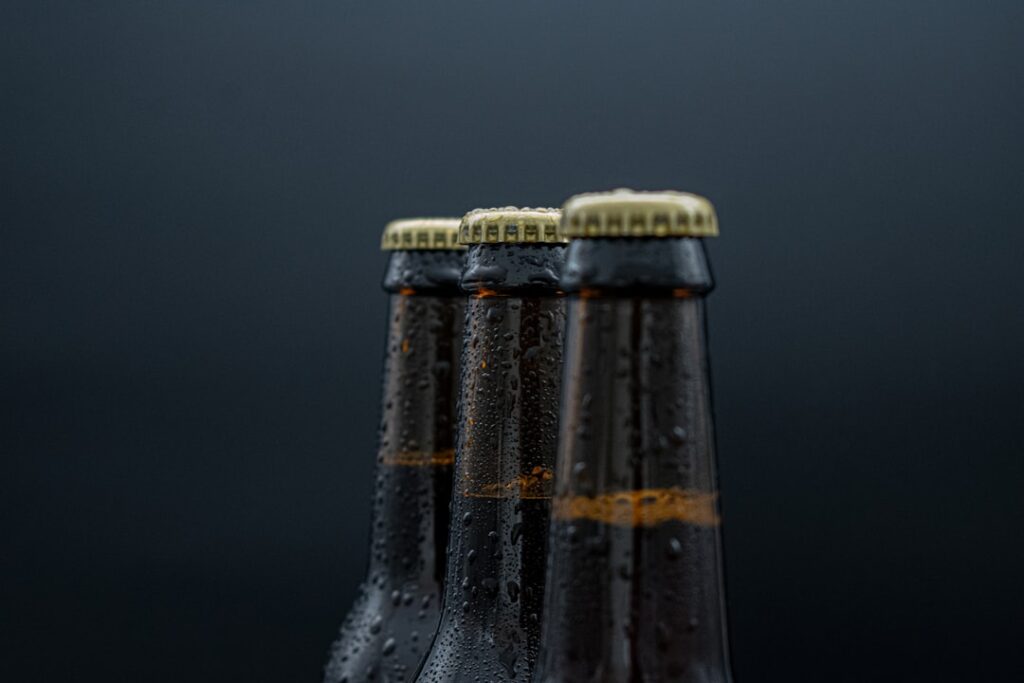
Why Does Beer Sometimes Smell Skunky?
Beer develops a "skunky" aroma due to a chemical reaction that happens when hops, a key beer ingredient, are exposed to certain wavelengths of light. The specific smell—often described as similar to that of a skunk or burnt rubber—can catch even experienced beer drinkers by surprise.
The main culprit behind this change is ultraviolet (UV) light. When beer is left in sunlight or under certain types of indoor lighting, the UV rays interact with hop-derived compounds called isohumulones. This causes them to break down, producing a chemical known as 3-methyl-2-butene-1-thiol (MBT), which is extremely potent and can be detected by the nose at incredibly low concentrations.
What Triggers Skunkiness in Local Conditions?
Skunky beer can develop quickly if beer is stored improperly, and the risk is higher in certain common situations around New Castle, DE. Many residents enjoy backyard gatherings, patio picnics, or barbecues, especially during the warmer months. Leaving bottles or even poured glasses of beer out in direct sunlight during these moments, even for just a few minutes, can allow skunkiness to develop.
Indoor lighting can also be an unrecognized factor. Fluorescent lighting, common in garages, basements, and kitchens in area homes, can emit enough UV light to cause the same issue, especially if beer is kept in glass bottles on shelves exposed to these lights.
Which Beers Are Most Vulnerable?
Not all packaging provides equal protection against light exposure. The color and material of the beer container matter:
- Clear and green glass bottles offer little protection against UV light, making beer inside them much more susceptible to skunky flavors.
- Brown glass bottles do a better job at blocking UV rays, but no glass is entirely effective if left in strong light.
- Cans and opaque growlers provide the best shielding, allowing virtually no light through and therefore helping to keep beer fresh under varied conditions.
Locally, many residents may purchase bottled beer for convenience; understanding these differences can help prevent disappointments at neighborhood gatherings or family events.
How Can Local Residents Avoid Skunky Beer at Home?
Preventing skunky beer is straightforward once the causes are understood. Practical strategies include:
- Store beer in a cool, dark place. A basement fridge with a solid door is ideal for most area homes.
- If using an open shelf or a glass-fronted refrigerator for display, consider choosing canned beer or brown bottles.
- Bring beer outside only when ready to pour or serve. Avoid letting bottles or glasses sit in sunlight, even on cloudy days or in winter—UV light penetrates clouds and is present year-round.
- For backyard parties, shaded coolers or insulated bags keep beer both cold and protected from UV exposure.
- Indoors, be aware of fluorescent lighting in utility areas. Opt for LED or incandescent lights where possible, or tuck beer away in cabinets or covered storage.
Common Myths About Beer and Skunkiness

Some local beer drinkers assume that "skunky" flavors are a sign of spoiling, poor refrigeration, or age. In reality, skunkiness is unrelated to how old or warm a beer is—it is the direct result of light contact, not time or temperature. Another misconception is that all bottled beers are equally at risk. In truth, brown bottles offer much more protection than clear or green, and canned beer essentially eliminates the risk entirely.
Residents sometimes believe strong-tasting beers are naturally more prone to off-flavors, but the effect is purely tied to packaging and light, not the beer's style or strength.
How Quickly Can Skunkiness Develop?
Unlike other forms of beer spoilage, the chemical reaction responsible for skunky aroma can happen in just a few minutes. On a sunny afternoon, a bottle left on a picnic table can start to develop a noticeable odor in as little as five to ten minutes. Even brief errands or distractions during outdoor gatherings can allow enough time for the reaction to occur, underscoring the importance of serving and storing beer wisely.
Overlooked Factors Unique to Local Lifestyles and Housing
New Castle homes often feature attached garages, screened-in porches, or backyard sheds used for storage and entertaining. Residents may be unaware that beer kept in these places, especially if bottles are exposed on counters or shelves, can become skunky even when not consumed immediately.
Seasonal temperature swings do not directly cause skunkiness, but they often prompt people to move drinks outside for parties or chores. Remember, it’s not the heat, but the light.
Open recycling bins and returnable glass storage are other overlooked sources of exposure. Rinsing and returning bottles promptly, or keeping empties out of prolonged daylight, can help control lingering odors and avoid cross-contamination among stored beverages.
Practical Tips for Local Events and Outdoor Activities
Whether planning a picnic at a community park or hosting a barbecue in a small yard, residents can reduce the risk of skunky beer by planning beverage storage with light exposure in mind:
- Use coolers with lids or thermal bags for outdoor activities.
- Pour beer into opaque cups instead of clear glasses for long outdoor events.
- Remind guests to return bottles to ice chests when not actively drinking.
By taking a few extra moments to consider exposure to sunlight or harsh lighting, residents around the city can help ensure their beer tastes as fresh and enjoyable as when it was first opened.