

 See My Latest Article on HelloNation
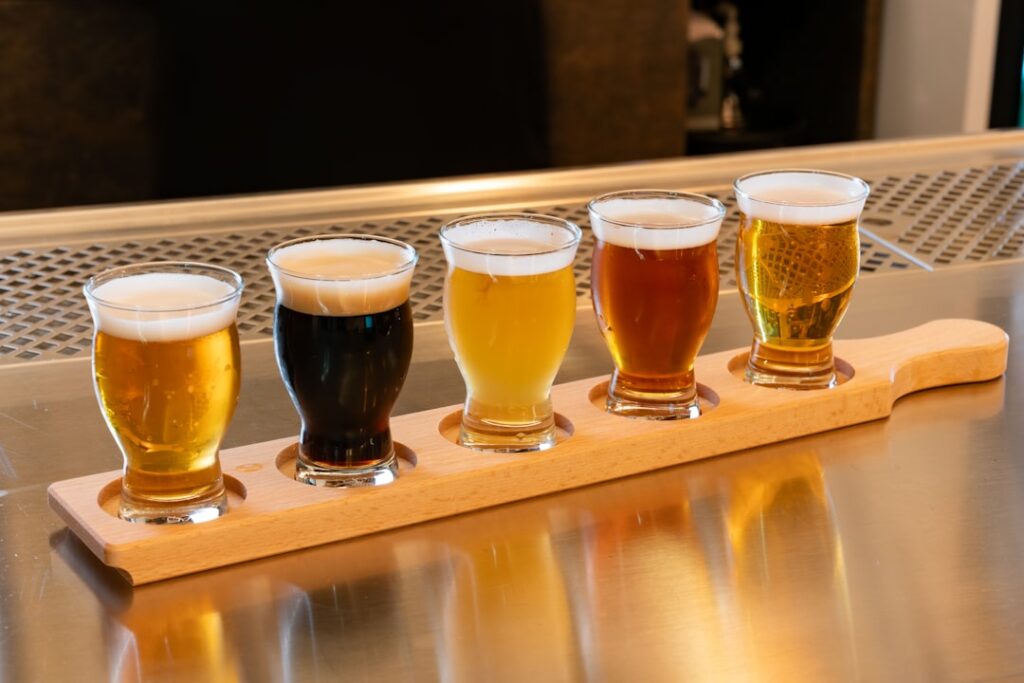
What’s Involved in Hosting a Beer Tasting Party at Home?
A beer tasting party is an enjoyable, social way for locals to experience different beer styles while learning more about the flavors and techniques that shape each one. In New Castle, DE, area residents usually host tastings in their homes, garages, or backyards, making use of manageable group sizes and the flexibility of private gatherings. Unlike large festivals or commercial events, a home tasting focuses on conversation and shared discovery.
The heart of a good tasting gathering is a thoughtful beer selection, clear tasting structure, and a comfortable, low-pressure environment for guests. Area households often find success by keeping the atmosphere casual yet educational, allowing everyone to explore new tastes without needing extensive beer knowledge.
How Many Guests Should You Invite?
Successful tastings typically work best with 6 to 12 guests. This size allows for engaging discussion without overwhelming conversation or making pours impractically small. Locals often consider:
- Available space—living rooms, patios, or even kitchens work well.
- Seating and glassware—every guest needs a place to sit and a fresh glass for each beer.
- Parking and neighborhood noise—consideration for nearby homes matters, especially in residential areas of New Castle, DE.
Smaller groups create a relaxed environment where everyone can hear and participate, while still making it possible to share a variety of beer styles.
What Beers Should You Feature?
Choosing beers is a chance to both represent favorites and encourage discovery. A tasting usually includes four to six different beers, allowing for a balanced flight without overwhelming the palate. Some common approaches are:
- Style themes: Focus on a single style (like local lagers or wheat beers), a specific region, or seasonal specials.
- Flavor progression: Arrange beers from lightest to boldest flavors to help guests notice differences without palate fatigue.
- Seasonal picks: Autumn and winter in New Castle, DE feature spiced ales and darker brews, while spring and summer offer crisp lagers, wheat beers, and fruit-forward selections.
It’s helpful to research available options before the event and consider purchasing beer from different local retailers for wider variety.
How Should You Serve the Beer?
Pour each beer into small glasses—three to five ounces per person is plenty for a tasting. Each guest should have a clean glass for each sample, or rinse glasses thoroughly between pours to prevent flavor overlap. Temperature matters:
- Serve lighter beers slightly chilled (around 45°F).
- Darker beers can be closer to cellar temp (50–55°F).
Keep serving simple; flights can be poured in advance for each round or one at a time with a brief discussion before sipping. Local tap water can be provided between tastes for cleansing the palate.
What’s the Best Way to Guide the Tasting?
A good host walks guests through appearance, aroma, flavor, and mouthfeel for each beer. Begin with:
- Appearance: Observe color, clarity, and head retention.
- Aroma: Swirl gently and sniff—noting hops, malt, yeast, and other nuances.
- Flavor: Sip and hold on the palate, focusing on sweetness, bitterness, carbonation, and unique flavors.
- Mouthfeel: Notice the texture, weight, and finish.
Encourage comparisons and discussion without feeling pressured for technical terms. Sharing personal reactions and favorite traits helps everyone learn. Printing or sharing tasting note sheets is an easy way for guests to jot down thoughts and scores.
What Food Pairings Work Well?
Small bites help prevent palate fatigue and enhance certain flavors. Classic tasting party snacks often include:
- Crackers or bread to cleanse between beers
- Cheeses—aged cheddar, blue cheese, or soft, creamy varieties each pair differently
- Nuts and simple cured meats
- Pickles or olives for acidity
- Local pretzels (a favorite in New Castle’s social circles)

The key is to keep foods light and not overly spicy, so they complement rather than overpower the beers.
What Are Some Common Mistakes to Avoid?
A few pitfalls can dampen the experience:
- Overpouring: Small samples prevent overindulgence while keeping the focus on tasting, not drinking.
- Mixing too many styles: More than six beers or vast differences in flavor make comparisons difficult.
- Serving too cold: Beer straight from the fridge can mute flavors; allow it to warm a few minutes before serving.
- Forgetting water and snacks: Both help keep palates fresh and guests comfortable.
Careful planning of quantities helps minimize waste and manage costs, especially in gatherings using varied or rare beer selections.
How Can You Make the Event Informative Without Being Overly Formal?
Balance is key: Offer interesting insights about each beer, such as its style origin, notable ingredients, or local brewing history when relevant. Inviting questions and allowing guests to share their own impressions ensures the event feels participatory rather than like a class lecture. Locals often find that using simple reference sheets or style guides at the table keeps things fun and accessible.
Are There Any Local Considerations in New Castle, DE?
New Castle hosts several community activities throughout the year, and home beer tastings generally fit comfortably into the area's social landscape. Households should keep in mind:
- Noise ordinances for evening gatherings—music and conversation travel easily in quieter neighborhoods.
- Responsible alcohol consumption—arrange for rides, public transit, or designated drivers when needed.
- Seasonal weather: In warmer months, outdoor tastings need shade, bug protection, and plenty of water. Colder seasons call for cozy indoor spaces.
Providing a safe and considerate environment fosters community goodwill and leaves guests with pleasant memories.