

 See My Latest Article on HelloNation
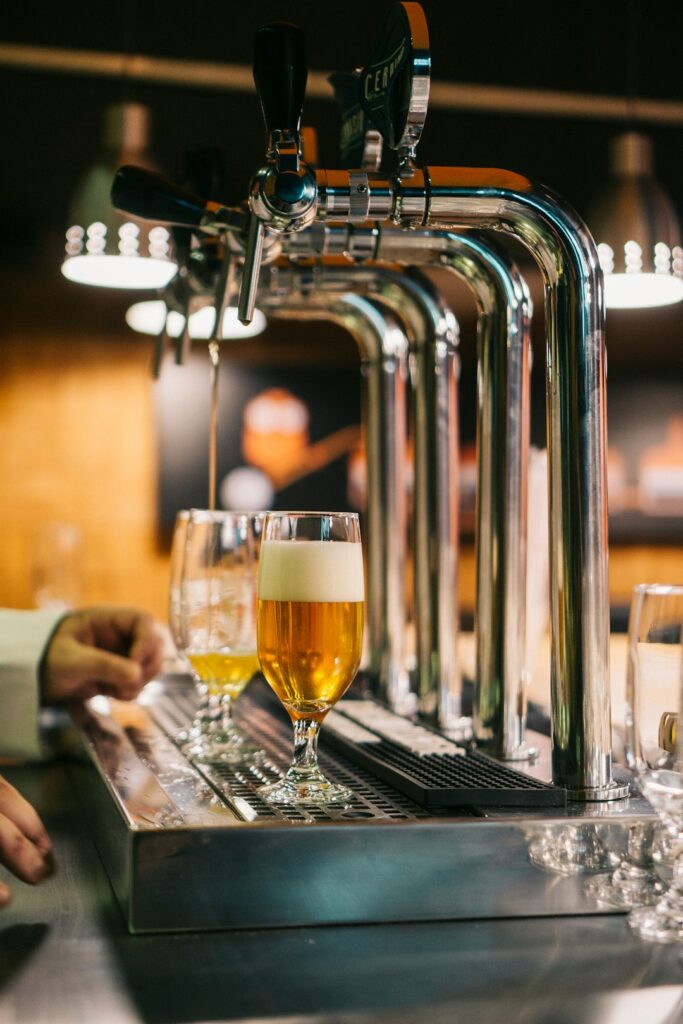
Beer quality is not determined by price, alcohol content, trendiness, or personal preference alone. A well-made beer should match its intended style, show clean and appropriate aromas, taste balanced, and remain in good condition from packaging through serving.
For residents of New Castle, DE, evaluating beer can be especially useful when choosing from a wide range of packaged styles, storing beer at home, or deciding whether an unusual flavor is intentional or a sign of a problem.
What does “quality beer” actually mean?
Quality beer is fresh enough for its style, free from unwanted contamination, and brewed with balance and consistency. It does not have to be expensive, highly alcoholic, or strongly flavored.
A crisp lager, a tart wheat beer, a bitter pale ale, and a rich stout should not taste alike. Quality is judged by whether each beer delivers the characteristics expected from its style.
A beer may be excellent even if it is not personally enjoyable. Taste preference and technical quality are related but separate questions.
How should beer look?
Appearance offers useful clues, but it should not be the only test. Check the color, clarity, foam, and carbonation.
Consider these factors:
- Color: The shade should generally fit the style, although natural variation is common.
- Clarity: Some beers are intended to be bright and clear, while others are naturally hazy or contain yeast sediment.
- Foam: A stable head can help release aroma and indicate healthy carbonation. A very large or rapidly disappearing head may reflect serving conditions, glass cleanliness, carbonation level, or recipe design.
- Carbonation: Bubbles should appear consistent with the beer’s style. Flatness can be a flaw in a beer meant to be lively, while excessive carbonation may make the beer sharp or difficult to pour.
Sediment is not automatically a defect. Bottle-conditioned or traditionally unfiltered beers may contain yeast or protein particles by design. However, unexpected floating material, oily films, or unusual clumps can be reasons to set the beer aside.
A dirty glass can distort appearance and foam. Residue from soap, grease, or oils may cause bubbles to collapse quickly, so visual judgments should be made using a clean, rinsed glass.
What should quality beer smell like?
Aroma is one of the clearest ways to assess beer. Pour a small amount into a clean glass, allow it to settle briefly, and smell before tasting.
Expected aromas depend on the style. They may include:
- Bread, grain, toast, or crackers from malt
- Citrus, flowers, herbs, pine, or tropical fruit from hops
- Banana, clove, pepper, or other fermentation notes in certain yeast-driven styles
- Coffee, cocoa, caramel, raisin, or dark toast in darker beers
- Sour fruit, spice, or mild funk in styles designed to be acidic or traditionally fermented
Unwanted aromas can include wet cardboard, vinegar, rotten vegetables, solvent, sulfur, or a strong medicinal character. Some styles may naturally show mild sulfur or earthy notes, so context matters.
A cardboard-like smell often suggests oxidation, especially in hop-forward or delicate beers. A buttery or butterscotch aroma may indicate diacetyl. That flavor is appropriate in a few traditional styles but is generally considered undesirable when it is strong or unexpected.
Temperature also affects aroma. Beer served extremely cold may seem bland because cold suppresses both desirable and undesirable aromas. Allowing a beer to warm slightly can make its character easier to evaluate.
How can taste reveal beer quality?
A quality beer should have a clear relationship between sweetness, bitterness, acidity, alcohol, carbonation, and flavor intensity. Balance does not mean every element must be equal. It means the components work together rather than one unwanted feature dominating.
Ask a few simple questions:
1. Does the flavor match the beer’s stated style?
2. Is the sweetness appropriate, or does it feel heavy and cloying?
3. Is bitterness clean and purposeful, or harsh and lingering?
4. Does alcohol feel warming and integrated, or hot and solvent-like?
5. Is the finish refreshing, smooth, dry, sweet, bitter, tart, or otherwise appropriate?
6. Does the beer taste fresh, or has it lost its intended character?
A strong beer can still be balanced. High alcohol is not automatically a flaw, but it should not taste like rubbing alcohol or overpower the rest of the beer.
Likewise, bitterness is not a sign of quality by itself. A bitter beer should have bitterness that supports its malt and hop profile instead of producing rough, astringent, or mouth-drying sensations.
Which flavors are common warning signs?
Not every unusual flavor means the beer is unsafe, but certain flavors may indicate age, poor storage, or a brewing problem.
Common warning signs include:
- Wet cardboard: Often associated with oxidation.
- Skunky or light-struck aroma: Can develop when beer is exposed to certain types of light.
- Harsh vinegar-like acidity: May be inappropriate unless the beer is intentionally sour.
- Butter or butterscotch: May indicate diacetyl when not expected.
- Green apple or raw pumpkin: Can suggest acetaldehyde, an immature fermentation character.
- Medicinal, plastic, or bandage-like notes: May result from fermentation compounds, sanitation issues, or water chemistry.
- Astringency: A puckering, drying sensation that can come from excessive tannins or other brewing problems.
- Stale hop character: Hop-forward beers may lose their fresh citrus, floral, pine, or tropical qualities over time.

Beer can also pick up flavors from its surroundings. Heat, light, and repeated temperature changes can reduce freshness. In a home with warm storage areas, garages, sunny shelves, or seasonal temperature swings, beer may age faster than expected.
Does packaging and storage affect quality?
Yes. Beer quality can decline after packaging, especially in styles that depend on fresh hop aroma or delicate malt character.
Store beer in a cool, dark place with minimal temperature fluctuation. Refrigeration is helpful, but the most important protections are avoiding heat and light. Keep bottles and cans upright unless a particular traditional style is meant to be served with sediment mixed back in.
A beer’s printed date can provide useful information, but date formats vary and may represent packaging dates, freshness guidance, or best-by recommendations. The date should be considered alongside the style. A strong, dark beer may change gradually and remain enjoyable for a long time, while a fresh hop-focused beer may lose its brightest aromas much sooner.
Do not assume that an older beer is automatically ruined. Taste and aroma provide better evidence than age alone.
How should beer be served for a fair evaluation?
Use a clean glass that allows room for foam and aroma. Pour at a moderate angle, then straighten the glass near the end to create a head. Avoid judging a beer only by drinking directly from a can or bottle, because the container limits aroma and makes visual inspection difficult.
Serve the beer at a temperature suited to its character. Very light beers are often most refreshing when well chilled, while stronger, darker, and more aromatic beers may show more detail when slightly warmer.
If evaluating several beers, start with lighter and less intense examples before moving to stronger, darker, more bitter, or more sour styles. Have water available and pause between samples.
Is a beer still good if it tastes different from expected?
Possibly. Personal preference, serving temperature, storage history, and style expectations all affect perception.
Before deciding that a beer is defective, check whether:
- The beer was served too cold
- The glass was clean
- The style is naturally hazy, tart, bitter, smoky, or funky
- The beer has been stored in heat or light
- The flavor is unusual but still balanced
If a beer has an alarming smell, an unexpectedly harsh flavor, or visible contamination, there is no reason to finish it. Quality evaluation is not a challenge to tolerate every flavor. It is a practical way to understand what is in the glass and whether it has been handled well.