

 See My Latest Article on HelloNation
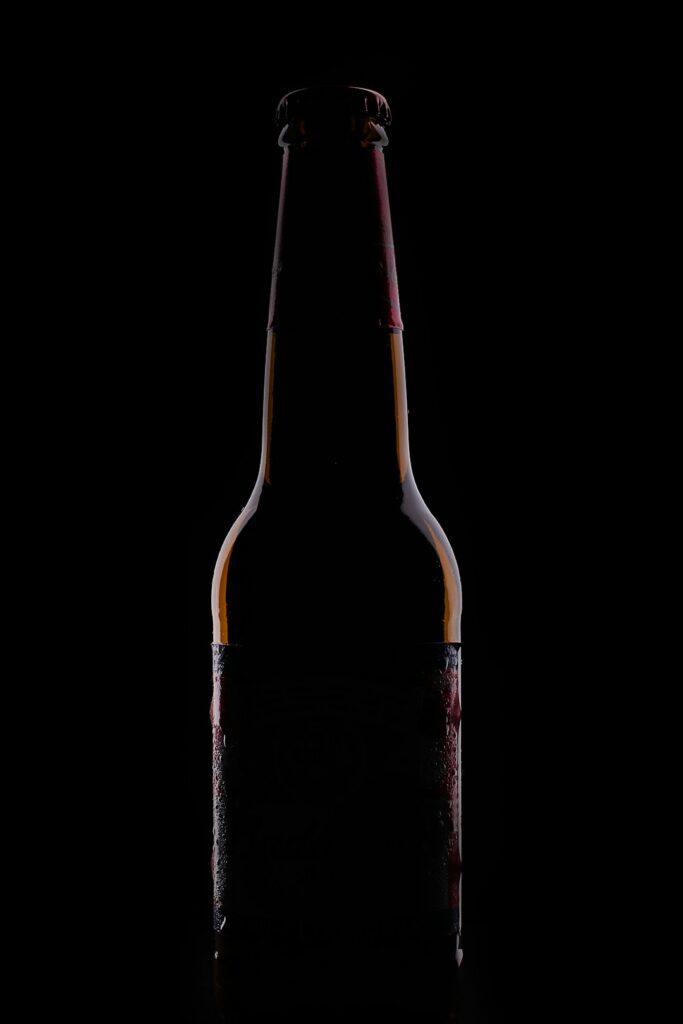
Does a Dark Color Mean a Stronger Beer?
The simple answer is no: just because a beer is dark does not mean it is automatically stronger in alcohol. Many residents in New Castle, DE notice the deep browns and black hues in local stouts or porters, leading to a common misconception that darkness equals high alcohol content. However, the color in beer comes from the grains used during brewing, while strength (measured by alcohol by volume, or ABV) is determined by how much sugar gets fermented into alcohol.
What Makes a Beer Dark?
Beer gets its color mainly from the types—and roasting levels—of barley or other grains the brewer uses. Dark grains are roasted longer, similar to coffee, creating darker colors and flavors like chocolate, caramel, or roast. These grains don’t add much sugar; they provide mostly color and taste.
- Pale beers: Use lightly roasted grains, leading to golden or straw hues.
- Amber and brown beers: Include a mixture of roasted and light malts.
- Very dark beers (like stout or porter): Rely heavily on deeply roasted malts for that dark, opaque look.
The amount of alcohol in these beers depends far more on the recipe—specifically, the total amount of fermentable sugars in the mash—than on color.
Why Do Many People Think Dark Means Strong?
Across many communities, people assume “heavier” color means “heavier” effect. Locals in New Castle may have tasted rich stouts or robust porters in the winter and felt their warming presence, which is sometimes (but not always) due to higher alcohol. Some classic examples of dark beer, such as imperial stouts or barrel-aged ales, often do have higher ABV, but there are also many sessionable (lower-alcohol) dark beers served around the region.
On the flip side, plenty of lighter-colored beers reach higher alcohol levels—think Belgian tripels or some American double IPAs, which are golden but can be quite potent.
Can You Get a Low-ABV Dark Beer?
Absolutely. Several popular beer styles that are dark in color tend to have modest alcohol content. Examples include:
- English milds (often around 3-4% ABV)
- Traditional porters and some brown ales (typically 4-5% ABV)
- Schwarzbier (German-style dark lager, usually under 5% ABV)
These styles can be enjoyed as flavorful, approachable options—ideal for gatherings at home or as winter comfort on a chilly evening without overwhelming effects.
Are Some Light-Colored Beers Stronger Than Dark Ones?

Yes. Alcohol strength in beer doesn’t come from color but from the amount of malt (or other fermentable sugar) and the yeast’s ability to process it. In New Castle, people are sometimes surprised to learn that robust Belgian ales, triple IPAs, and even some “imperial” lagers—usually golden or pale—can reach 8% ABV and higher.
A practical example: A locally-available pale “tripel” ale may be more than twice as strong as the darkest mild ale poured at a neighborhood gathering.
How Should Residents in New Castle, DE Choose a Beer Based on Strength?
Residents looking for a moderate or lower-strength beer should focus on the ABV listed—either on the packaging or menu—rather than making a judgment by color alone. Especially for community get-togethers or outdoor activities during the city’s warmer seasons, lower-alcohol dark beers can provide satisfying flavor without excess strength.
For situations where a stronger beer is wanted, such as special celebrations or winter rituals, both dark and light options are available depending on personal taste.
Practical Tips When Selecting Beer by Color and Strength
- Check the ABV: This is the most reliable indicator of strength.
- Look for style descriptions: If you prefer lighter or stronger beer, style names (like “imperial,” “session,” or “mild”) often offer clues.
- Don’t be afraid of the dark: A black pint doesn’t guarantee a boozy punch.
- Consider occasion and weather: Dark beers with moderate strength make excellent choices for cool evenings in New Castle, while lighter-colored but potent options exist for special occasions.
Understanding these details helps local households make confident, satisfying choices—while also dispelling a common beer myth that can lead to surprise or disappointment.