

 See My Latest Article on HelloNation
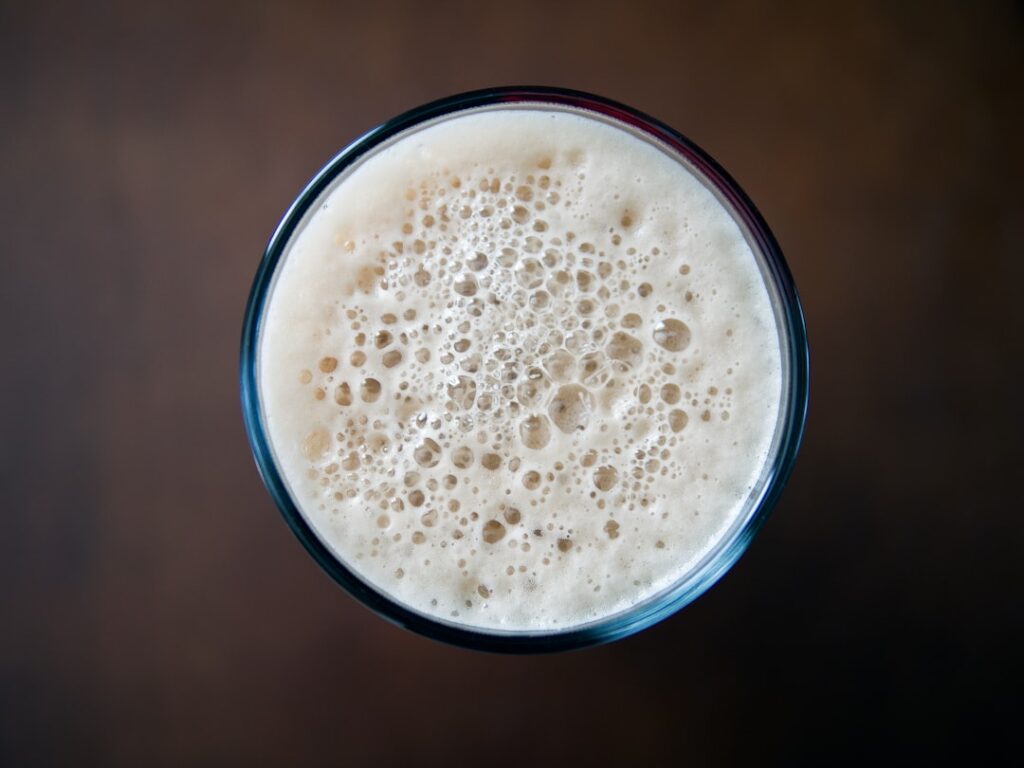
What Does “Hoppiness” Mean in Beer?
Hoppiness refers to the aroma, flavor, and bitterness contributed by hops—one of beer’s foundational ingredients. While malt gives beer its sweetness and body, hops are responsible for the fresh, floral, citrusy, piney, or spicy notes that many drinkers recognize. The degree of hoppiness varies widely between beer styles, ranging from gentle undertones in lagers to bold, assertive flavors in many ales and IPAs.
In practice, hoppiness is not a single sensation but a combination:
- Bitterness on the palate
- Aromatic qualities (what you smell)
- Flavors like citrus, pine, or herbs created by hop oils
For those living in New Castle, enjoying a beer’s hoppiness comes down to personal preference and an understanding of its role in the overall balance of a brew.
Why Do Hops Matter in Beer?
Hops are not just about taste; they’re critical for beer’s balance, preservation, and distinctiveness. Initially grown for their preservative qualities, hops now serve several roles:
- Counteracting the sweetness of malt to prevent beer from tasting cloying
- Providing aromatic character ranging from subtle to intense
- Acting as a natural preservative, historically important before refrigeration
Brewing traditions in and around New Castle’s temperate, humid summers mean residents might crave hoppier, more refreshing beers during hot months, while maltier styles appeal during cool winters. Hops' antimicrobial properties also helped with safer brewing before modern sanitation.
How Is Hoppiness Measured and Perceived?
Brewers use International Bitterness Units (IBUs) to measure bitterness—a technical side of hoppiness. However, the number alone doesn’t communicate how a beer tastes. Other factors influence perception:
- A beer with high IBUs but also lots of malt might taste less bitter
- Different hop varieties give different flavors and aromas, not just bitterness
For everyday drinkers, hoppiness is subjective. Descriptions like “resinous,” “grapefruit-like,” or “grassy” are as varied as personal taste. Residents in the city often discover new favorites at tastings or gatherings, discussing which hop-driven aromas or bitterness levels appeal most.
Common Misconceptions About Hoppy Beer
Residents sometimes confuse hoppiness with alcohol strength or believe all hoppy beers are extremely bitter. In reality:
- Many beers high in hop aroma (like certain pale ales) are not overwhelmingly bitter
- A beer can be intensely aromatic without having high perceived bitterness
- Some styles, like pilsners, offer noticeable hops balanced against crispness and lightness
Another misconception is that more hops always mean better beer. In practice, balance is key. A highly hoppy beer may not suit every palate or situation; for example, hop-forward IPAs tend to be favored during warm-weather outdoor gatherings, but might not fit a cozy winter evening.

Choosing Beer Styles Based on Hoppiness
For those interested in exploring, here’s a simplified guide that aligns with local preferences and seasonal habits:
- For moderate hoppiness: Pale ales, pilsners, amber ales
- For low hoppiness: Wheat beers, lagers, some brown ales
- For pronounced hoppiness: IPAs, double IPAs, certain specialty ales
Given New Castle’s mixture of summer festivities and cooler winter traditions, residents can find a hoppy beer suited to nearly any setting—from refreshing session ales for backyard cookouts to robust, hop-heavy brews for holidays.
Practical Tips for Tasting and Appreciating Hoppiness
Understanding hoppiness makes it easier to enjoy different beer styles:
- Smell first: Swirl your glass and breathe in. Note herbaceous, citrus, or floral notes—these come from hop oils.
- Notice bitterness: Bitterness might linger briefly or fade fast. Some hop varieties target the front of the tongue, others the back.
- Check balance: Does the beer seem pleasantly crisp, or harshly bitter? Malty sweetness can offset strong hop presence.
- Consider temperature: Cooler beer may mute hop aroma, while slightly warmer pours reveal more complexity.
Neighborhood gatherings, block parties, and backyard celebrations are ideal spaces where area residents can deepen their appreciation for how hoppy flavors change depending on what’s in the glass and what’s on the dinner table.
Why Does Hoppiness Matter Locally?
Hoppiness shapes the social and sensory experience of beer. In New Castle’s varied climate, hoppier beers can feel especially refreshing during humid summer evenings by the river or after a walk through local parks. During colder seasons, balanced hoppy-malty profiles offer warmth and interest for indoor get-togethers.
Understanding hoppiness helps area households match their beer choices to their tastes and the occasion, whether that involves hosting friends, relaxing after work, or sharing local traditions. Learning to recognize and appreciate hoppiness allows for more informed, satisfying, and communal experiences with every pour.