

 See My Latest Article on HelloNation
Does Dark Beer Always Mean Stronger Alcohol?
No, the color of beer is not a reliable guide to its alcohol content.
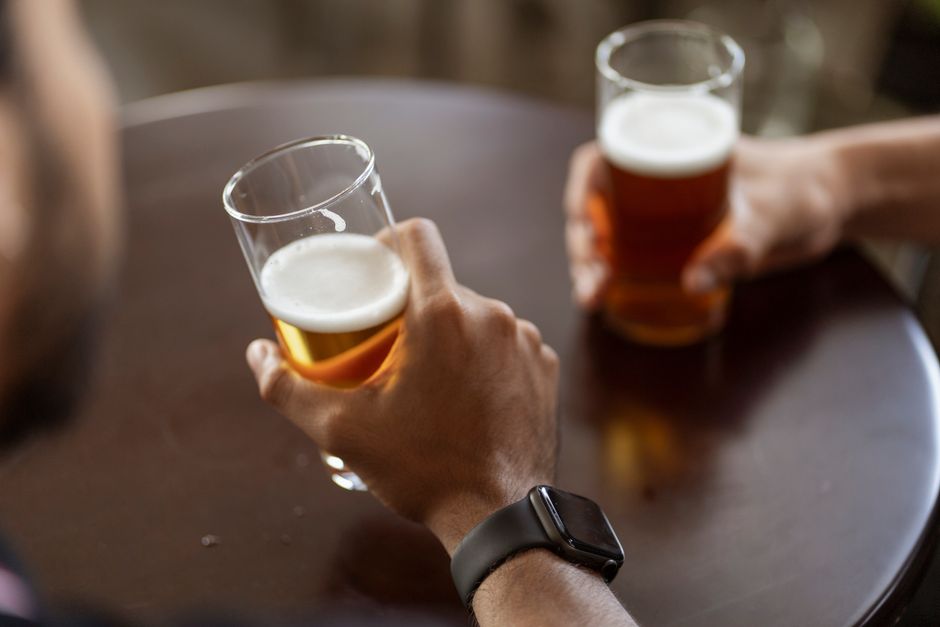
Many people living in New Castle, DE assume that a dark beer is always higher in alcohol than a pale one. Dark color in beer comes from roasted malts, which have little relation to how much alcohol is produced during fermentation. For example, some Irish-style stouts are deep brown or nearly black yet have a lower alcohol by volume (ABV) than many gold or amber ales. Meanwhile, double IPAs or other lighter-hued beers may contain significantly more alcohol, despite appearing much paler in the glass.
Will Beer Always Taste Bitter?
Not all beers are bitter, despite what many first-timers or occasional drinkers believe.
Bitterness comes primarily from hops, and not every style is brewed to highlight that flavor. Wheat beers, fruit-infused ales, or malty lagers can be quite sweet or smooth. Local drinkers exploring new beer styles might discover that mild and balanced beers are just as common as hoppy ones. Checking labels or descriptions for IBUs (International Bitterness Units) can help residents find a preferred taste profile.
Is Freshness Always Better for Beer?
While most beer is best enjoyed fresh, exceptions exist for particular styles.
In general, fresher beer offers more vivid hop aromas and cleaner flavors. However, some traditional varieties, such as certain Belgian ales or heavy stouts, are designed to improve or mellow with age. If kept cool and away from light, these can develop new, subtle aromas over months or years. Locals storing beer at home should know that lagers, pale ales, and IPAs are best within weeks of packaging, whereas special selections might safely rest longer if properly stored.
Can Chilling and Warming Beer Ruin It?
Brief temperature changes aren’t likely to spoil beer, though extreme conditions should be avoided.
Many New Castle households store beer in garages, basements, or fridges that fluctuate in temperature with the seasons. Contrary to rumor, allowing beer to warm up and cool down a few times won’t quickly make it undrinkable. Quality loss occurs mostly through prolonged heat exposure or sunlight, not routine handling. Extended exposure to high temperatures, especially in summer, can create “skunky” flavors and flatten aromas. Keeping beer in a consistently cool, dark place gives the best results.
Is Beer Always High in Calories?
Not all beers are calorie-dense, and options for lighter choices are broad.
The calorie count of beer varies with alcohol content and the type of sugars that remain after brewing. Light lagers or session ales can be similar to, or lower in calories than, a glass of wine. Residents concerned about calories may want to look for information printed on packaging or check alcohol by volume—a higher ABV generally means more calories, but some styles remain relatively light despite a moderate strength.
Do Local Water Sources Change Beer Taste?
Water chemistry affects brewing, but all tap water in the area is filtered and regulated for quality.
Brewing traditions historically depended on mineral-rich or soft water unique to each region, influencing styles over centuries. Today, most professional brewers treat or filter water to achieve consistency. Home brewers in New Castle may find subtle differences in mineral content, but these are minor for most drinkers. Only those with very refined palates or brewing experience notice such variations in everyday beer.
Can Beer Go “Bad” or Become Unsafe to Drink?
Beer rarely becomes dangerous if stored properly, but its taste does decline after its prime.
Unlike milk or perishable foods, beer is less likely to support harmful bacteria because of its alcohol, acidity, and carbonation. Most dated beer will gradually lose flavor, aroma, and freshness rather than rot or spoil in a classic sense. “Best by” dates generally signal peak quality, not food safety. However, a beer that smells sour, musty, or dramatically off should be discarded—especially if the container was damaged or mishandled.
Does Glassware Really Matter for Beer?
Using the right glass can improve beer’s aroma and presentation, but most styles can be enjoyed from any clean glass.
Many area households use everyday tumblers or pint glasses for most beverages, and this poses little problem for beer’s essential qualities. Some delicate or aromatic beers pour best into wider-mouthed glassware, which helps release flavors. For casual gatherings and barbecues, however, enjoying beer from a sturdy clean glass still delivers most of the intended experience.