

 See My Latest Article on HelloNation
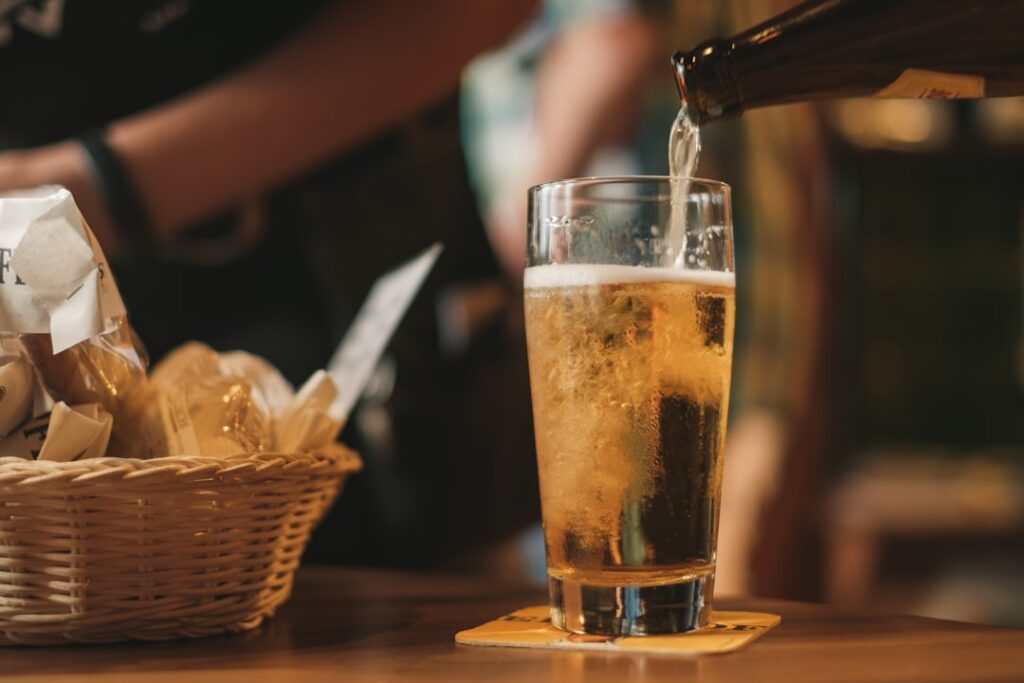
Why Does Pouring Technique Matter?
A well-poured beer isn’t just about appearance. The way beer is poured can affect taste, aromas, and even how filling it feels. For local residents in New Castle, DE who enjoy beer at home, getting the pour right preserves the brewer’s intent and enhances the entire experience, especially during gatherings or quiet evenings.
Pouring incorrectly can leave too much foam (head), or at the other extreme, create a flat beer with little aroma. Extremes are more likely with colder storage and average glassware found in area households. Simple steps make a noticeable difference.
What’s the Best Temperature for Pouring Beer at Home?
Serving beer at the right temperature sets the foundation for a balanced pour. Refrigerator settings in many homes often run colder than ideal—mid-30s to low 40s Fahrenheit. Most lagers and light ales are best poured at around 38-45°F, while richer ales can benefit from slightly warmer (but still cool) conditions.
If you’ve kept your beer very cold, let it rest on the counter for 5–10 minutes before pouring. This helps reduce excess foaming and lets aromas unfold, which is especially noticeable during seasonal gatherings in the area’s cooler months.
What Glassware Should Be Used?
The shape, size, and cleanliness of your glass influence the pour. Local households may use whatever is handy, but a clean, residue-free pint or tulip-shaped glass works well for most beer styles.
- Rinse the glass with cold water right before pouring. This minimizes static electricity, chills the glass, and helps foam settle evenly.
- Avoid using glasses fresh from the dishwasher if they’re warm or have detergent residue. Even minute traces can affect foam and taste.
How Should You Hold the Glass and Bottle or Tap?
A controlled pour ensures the right amount of foam—often called "head"—while preventing beer from becoming too flat or too fizzy.
- Hold the glass at a 45-degree angle.
- Aim the beer toward the midpoint of the side of the glass, not directly to the bottom.
- Pour slowly and steadily. If pouring from a bottle or can, avoid aggressive sloshing or sudden stops.
After the glass is about two-thirds full, begin to straighten the glass to an upright position and pour down the center. This encourages just the right amount of foam—ideally 1 to 1.5 inches for most styles.
How Much Foam Is Ideal, and Why?
Some foam is essential for aroma, texture, and taste. Too little, and aromas dissipate; too much, and you’re left with a mouthful of bubbles. For most American and European styles commonly found in New Castle, aim for a cap of foam covering the surface, roughly equal to the width of two fingers.
Under-pouring often results from holding the glass upright from the start or pouring beer too gently, especially with lighter beers stored on the cold end. Over-pouring usually comes from aggressive splashing or not tilting the glass early in the process.
What Should You Watch Out for with Home Storage in New Castle?
Humidity and temperature shifts, particularly between seasons, can leave marks or residue on glasses stored in area homes, influencing pour results. Store glassware open-side down in a clean cabinet where airflow is good. A periodic rinse just before use helps manage any dust or odor that can cling during local spring pollen season or damp winters.
If you’re serving beer outdoors, especially during summer gatherings at local parks or backyards, rinse glasses thoroughly to avoid leftover soap traces that kill foam.

Can This Approach Be Used for Canned, Bottled, and Draft Beer?
The same principles apply to beer from cans, bottles, or home kegs. Draft systems—whether a full kegerator setup or a simple home tap—benefit most from a slightly moistened, cool glass and the same angle technique. With bottled or canned beer, partial opening to relieve pressure before a full pour can minimize gushing, especially if the container was jostled.
Are There Common Mistakes to Avoid?
Several habits commonly lead to disappointing pours:
- Pouring too quickly or directly down the center of an upright glass, causing excessive foam.
- Using warm or soapy glasses.
- Handling bottles roughly or pouring immediately after agitation.
- Ignoring beer style differences: darker ales and some wheat beers can handle a bit more foam, while lighter lagers need moderation.
If in doubt, start slowly with the glass at an angle and watch the foam level rise. With a little patience and observation, even first-time pourers in New Castle households see immediate improvement.
Why Do Some Beers Pour Differently Than Others?
Beers rich in carbonation, like some craft IPAs or Belgian styles, naturally foam more. Bottle conditioning or unique yeast strains used by specialty brewers in the region can also impact foam levels. Adapt by pouring even slower or pausing midway to let foam settle before topping off.
Lighter domestic lagers and most popular regional brands, by contrast, tend to be less reactive—but still reward careful pouring with fresher taste and better aroma.
What About Serving Beer Outdoors or at Community Gatherings?
Outdoor events—whether picnics, festivals, or backyard get-togethers—require a few extra considerations. Keep beers cool but avoid ice-cold extremes, and shield glasses from direct sunlight to slow foam breakdown. At community events, choose sturdy glassware or reusable plastic with a shape similar to a pint glass and use the same angled pour.
For larger gatherings or when using pitchers, pour into each glass at an angle, rather than filling multiple glasses from a fixed upright pitcher. This helps maintain carbonation and enhances the beer’s character for every guest.