

 See My Latest Article on HelloNation
Does Beer Contain Gluten?
Most traditional beer does contain gluten. Gluten is a group of proteins found primarily in barley, wheat, and rye—ingredients commonly used in the brewing process. In New Castle, DE, where local residents enjoy a mix of historic charm and community gatherings, beer is a popular beverage at backyard barbecues, neighborhood events, and weekend get-togethers. For those following a gluten-free diet due to celiac disease or gluten sensitivity, it’s important to know that conventional beers are usually not considered gluten-free.
Why Does Regular Beer Have Gluten?
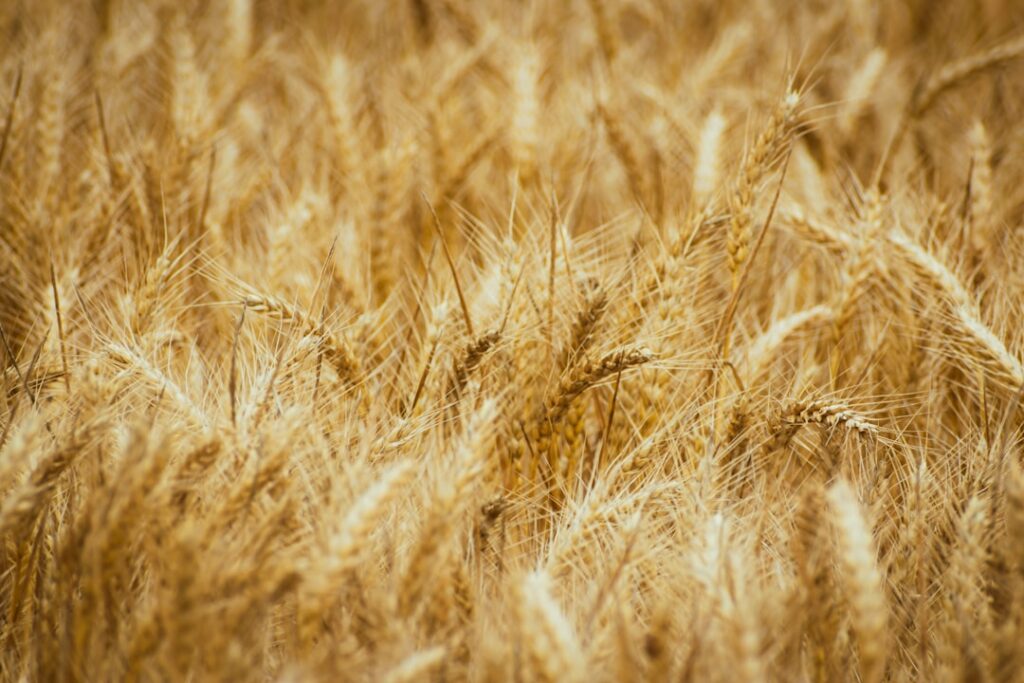
Barley is a standard grain in beer recipes, giving beer its characteristic flavors and malty aroma. Wheat is sometimes added for texture or to create certain styles like wheat beers and hefeweizens. Both of these grains contain gluten, which remains present in the finished beer, even after fermentation.
Local residents who brew at home often ask if the brewing process might somehow reduce gluten content. While fermentation can break down some gluten proteins, it does not remove them entirely. This means the average beer found on shelves or at social events in the city will almost always contain enough gluten to affect sensitive individuals.
What About Light Beers, Hard Seltzers, and Ciders?
Not all alcoholic beverages are brewed with traditional grains. The gluten content depends largely on the ingredients:
- Most light beers, unless labeled gluten-free, still use barley or wheat and contain gluten.
- Hard ciders and hard seltzers are generally made from apples, sugar, or other fruit bases, and do not use gluten-containing grains. These are typically safe for people avoiding gluten, but always check the label to be sure.
- Beer alternatives offered at local gatherings often include wine, ciders, and pre-mixed beverages—many of which are naturally gluten-free.
In New Castle households, cider or seltzer can be a practical substitute at cookouts or picnics where some guests may need gluten-free options.
Is There Such a Thing as Gluten-Free Beer?
Yes, there are beers brewed specifically to be gluten-free. These are made with grains that do not contain gluten, such as:
- Sorghum
- Buckwheat
- Millet
- Rice
- Corn
Some breweries use special processes to remove gluten from barley-based beers, labeling them as “gluten-removed” or “gluten-reduced.” However, experts warn that these may still contain trace amounts and are not always safe for those with celiac disease.
In the New Castle area, some grocery stores and supermarkets carry a few gluten-free options. Shoppers should check the packaging for a clear “gluten-free” label to be confident in the product’s safety.
How Can Residents Identify Gluten-Free Beers?
The safest way for someone in the city to avoid gluten in their beer is to:
- Look for packaged beers marked specifically as “gluten-free”—these are brewed without gluten grains.
- Double-check ingredient lists when purchasing unfamiliar brands.
- Avoid beers labeled only as “gluten-reduced” or “gluten-removed” unless a small gluten contamination is tolerable for your dietary needs.
- Seek information from reliable, non-commercial sources or public health agencies about local labeling regulations.

In social situations or local gatherings, it’s always acceptable to ask about the beer’s ingredients or bring your own gluten-free beverage if gluten exposure is a concern.
Can Brewing at Home Help Avoid Gluten?
Homebrewing is a hobby for some residents in the city, but traditional homebrew kits rely on malted barley—so these beers are not gluten-free. However, specialty gluten-free homebrewing kits and recipes are available. These use alternative grains and can be made safely without gluten if all equipment is cleaned thoroughly to prevent contamination.
The city’s water, which is generally soft and neutral, works well for both traditional and gluten-free brewing methods, but the bulk of the gluten risk comes from the starting ingredients rather than the water source or brewing conditions.
Common Misunderstandings Around Gluten in Beer
A few misconceptions often cause confusion among area households:
- “All clear, filtered beers are gluten-free.” This is not true. Clarity does not indicate gluten content.
- “Aged beers are safer.” Aging does not reduce or eliminate gluten.
- “Hard liquor distilled from wheat or barley contains gluten.” The distillation process removes gluten proteins, making most hard liquors gluten-free even if the original grain was not.
- “A little gluten is okay for gluten-sensitive individuals.” Sensitivity varies, and even trace amounts in beer can cause reactions for those with celiac disease.
Practical Tips for the City’s Gluten-Avoiding Residents
If you need or choose to avoid gluten due to health, self-diagnosis, or medical advice, consider these practices at local events and gatherings:
- Confirm the beverage ingredients beforehand—either ask the host or check labels if you bring your own drinks.
- Stock your home with a few reliable gluten-free options for hosting or last-minute gatherings.
- Educate friends and family about the difference between “gluten-free” and “gluten-removed” to avoid accidental exposure.
Knowledge about beer and gluten can help foster safer, more inclusive gatherings in New Castle, especially in communities with diverse dietary needs.