

 See My Latest Article on HelloNation
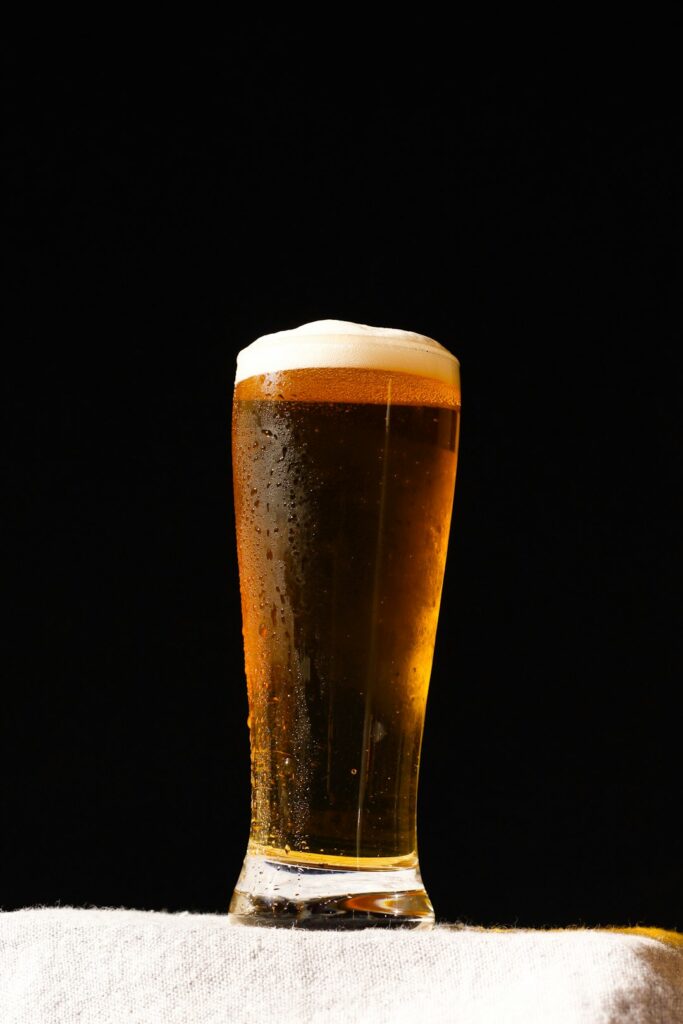
Beer glass shape affects how a beer smells, tastes, feels, and holds its carbonation. The difference is not magic, and it does not make an ordinary beer suddenly superior, but the right glass can make familiar flavors easier to notice and enjoy.
For residents of New Castle, DE, glass shape can be especially useful at home, where beer may be served from a bottle, can, growler, or draft container. A suitable glass helps reveal what is already in the beer instead of changing the beer itself.
Why does glass shape matter for beer?
Glass shape matters because it influences aroma concentration, carbonation, temperature, head formation, and the way beer reaches the tongue. These factors affect a person’s perception of flavor.
Beer flavor comes from more than taste alone. Aroma compounds travel from the glass toward the nose, while carbonation changes the beer’s texture and liveliness. A wide bowl, narrow opening, thick base, or curved rim can alter how those elements are experienced.
The glass does not change the recipe. It changes the conditions under which the beer is evaluated.
A glass can also help separate different parts of the drinking experience:
- The bowl provides room for aroma to gather.
- The opening directs aroma toward the nose.
- The shape of the rim influences where beer lands in the mouth.
- The base may help maintain temperature by keeping hands away from the bowl.
- The height and width affect how foam forms and how quickly carbonation escapes.
How does the bowl affect beer aroma?
A wider bowl gives beer more surface area, allowing aromatic compounds to rise from the liquid. This can make malt, fruit, spice, roast, and hop aromas more noticeable.
A narrower upper section can concentrate those aromas near the opening. This is useful for beers with layered or delicate scents, such as stronger ales, Belgian-style beers, wheat beers, and hop-forward styles.
A large, open glass may be helpful for beers where aroma is less dependent on concentration. It can allow the drinker to swirl the beer gently and observe how its scent changes. A narrower glass may be better when the beer’s aroma is a major part of its character.
This does not mean a particular shape is mandatory. A clean pint glass can serve many styles effectively, especially for casual drinking. Specialty shapes mainly provide more control and emphasis.
What does the rim do?
The rim affects how beer flows into the mouth and where its aroma is perceived. A narrow rim tends to direct the beer in a more focused stream, while a wider rim can spread the beer across a larger area.
Some glasses have a flared rim that supports foam and encourages aroma to move toward the nose. Others have a slightly inward-curving opening that concentrates scent.
Claims that a glass can send a beer only to one exact part of the tongue are oversimplified. Taste receptors are distributed throughout the mouth, so glass shape cannot isolate sweetness, bitterness, sourness, or saltiness to a single zone. Still, the rim can influence drinking speed, texture, aroma, and the overall first impression.
Which glass shapes work well for common beer styles?
There is no universal glass that is perfect for every beer. The following pairings are practical starting points rather than strict rules.
Tall, narrow glasses
Tall glasses help preserve carbonation and support a thick, stable head. They are often useful for wheat beers, light lagers, and other beers where a refreshing texture and lively foam are part of the experience.
The narrow shape can also help keep delicate aromas near the surface instead of allowing them to disperse quickly.
Standard pint glasses
A traditional pint glass is versatile and easy to use. Its wide opening supports a generous pour, while the straight or slightly tapered sides make it practical for many ales and lagers.
It is a reasonable everyday choice for pale ales, amber ales, porters, stouts, and many common draft styles. A pint glass is not automatically ideal for every beer, but its flexibility explains why it remains common in households.
Curved or tulip-shaped glasses
A rounded bowl provides space for aroma, while the narrower top helps retain it. The flared rim can support foam and make the beer easier to smell while drinking.
This shape works well for beers with noticeable fruit, spice, malt, or fermentation character. It can also be useful for stronger beers that benefit from slower sipping.
Wide snifters
A broad bowl and narrow opening concentrate aroma. The shape is often suited to rich, warming beers such as strong ales, barley wines, imperial stouts, and other full-bodied styles.
These glasses encourage smaller sips. That can be useful because high-alcohol beers often reveal more flavor when consumed slowly rather than in large mouthfuls.
Footed goblets

A goblet has a broad bowl and sturdy stem or foot. The shape provides room for foam and aroma while keeping the hand away from much of the beer’s surface.
Goblets are often associated with robust, complex beers. Their thick construction may also help the glass feel substantial, though the thickness itself does not improve flavor.
Does the glass shape change the beer’s temperature?
Only indirectly. A chilled glass may cool the beer briefly, but the shape primarily affects how quickly the beer warms and how much heat transfers from the drinker’s hand.
A stemmed glass or a glass with a narrow base can reduce contact between the hand and the bowl. A thick-walled glass may hold its temperature longer, while a thin glass can make the beer feel more responsive to room conditions.
In a home setting, temperature is often more important than having a specialized shape. Serving a beer too cold can mute aroma and flavor. Allowing a fuller-bodied beer to warm slightly may make malt, fruit, roast, and spice easier to detect.
Why does the pour matter as much as the glass?
A good glass cannot compensate for a poor pour. Pouring beer straight down the center of the glass creates more foam and releases more carbonation. Pouring slowly down the side creates less agitation and a smaller head.
A moderate head is generally useful because it releases aroma and creates a cushion of foam above the beer. Too little foam can leave the beer flat in appearance and aroma. Too much foam can make the beer difficult to assess and may cause unnecessary loss of liquid.
For most beers, tilt the glass, pour steadily along the inside wall, and gradually straighten it near the end. The right amount of foam depends on the style and personal preference.
Can the wrong glass ruin a beer?
Usually, no. A mismatched glass may make a beer less expressive, but it rarely ruins it. Cleanliness, freshness, serving temperature, and the quality of the pour usually matter more than owning a complete collection of specialty glasses.
Residue from soap, grease, or food can damage the drinking experience. A dirty glass may cause foam to collapse quickly or leave bubbles clinging unevenly to the sides. Rinse glassware thoroughly, avoid oily handling, and allow it to air-dry when possible.
For area households managing seasonal temperature changes, storage also matters. Beer kept in a warm location may lose freshness more quickly than beer stored in a consistently cool, dark place. The glass can improve presentation, but it cannot reverse age or heat damage.
What is the most practical glass to keep at home?
A clean, medium-sized pint glass is the most practical all-purpose option for many drinkers. Adding a tulip-shaped glass provides a useful second choice for aromatic or stronger beers.
The main goal is not collecting glassware. It is matching the glass to the experience desired:
- Use a tall glass for lively carbonation and a strong head.
- Use a pint glass for flexibility.
- Use a tulip or snifter for concentrated aroma.
- Use a stemmed glass when avoiding hand warmth is helpful.
- Use any clean glass rather than drinking from a container when aroma and flavor matter.
Glass shape is best understood as a tool for attention. It can make aroma easier to find, foam easier to assess, and texture easier to appreciate. For everyday beer drinking, a clean pour in a suitable glass often provides more benefit than the most specialized design.