

 See My Latest Article on HelloNation
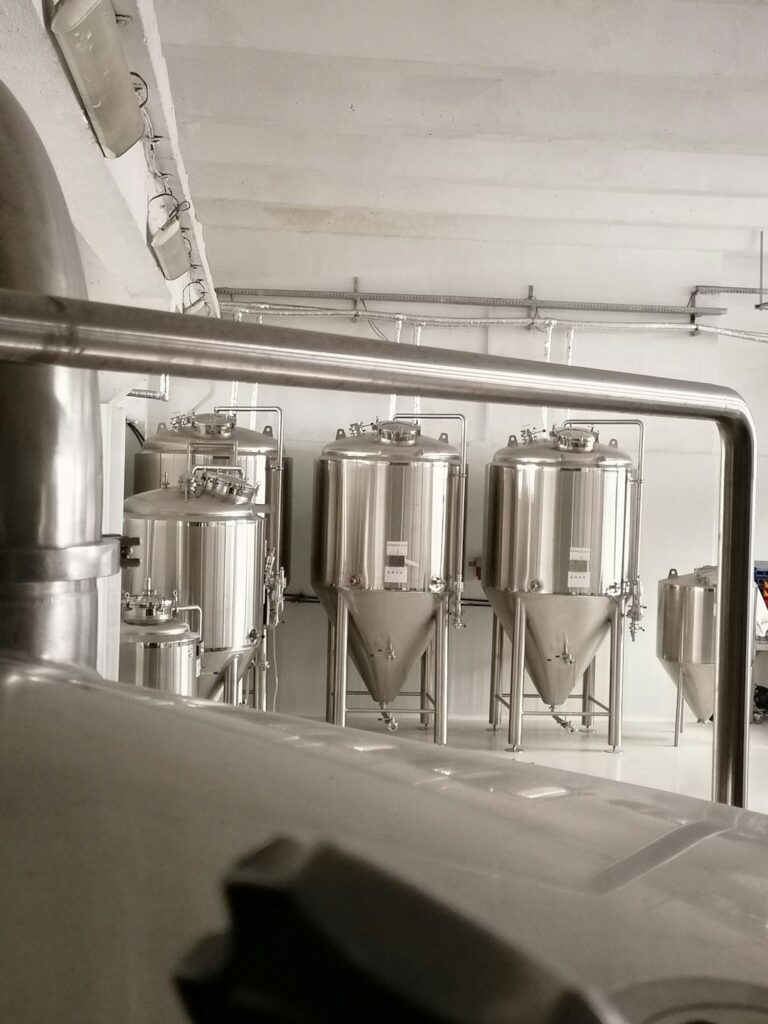
What Is the Beer Brewing Process?
Brewing beer is a methodical transformation of simple ingredients—water, malted grain, hops, and yeast—into a flavorful beverage enjoyed by many adults in New Castle, DE. Each step in brewing builds upon the last, creating a drink influenced by ingredients, equipment, and the brewer’s attention to detail.
Which Ingredients Are Essential for Beer?
The basics include water, malted barley (or sometimes wheat or rye), hops, and brewer’s yeast.
- Water: Makes up most of the final product, and matching local water quality to a beer style can make subtle taste differences.
- Malted grain: Provides sugars fermented by yeast, affecting color and body. In area homes, malt extract is common for small batches.
- Hops: Contribute bitterness, aroma, and preservative qualities.
- Yeast: Converts the sugars into alcohol and carbon dioxide; different strains create a wide range of flavors.
Homebrewers in the community often experiment with these basics to craft unique brews that suit seasonal gatherings and backyard barbecues.
How Does Mashing Work?
Mashing is the first major step after gathering ingredients, where crushed malted grain is mixed with warm water to activate enzymes that break down starches into fermentable sugars.
For most home setups:
- Grain and water (called "mash") stay at a specific temperature (typically between 148-158°F) for an hour.
- Stirring ensures even heat, important for consistent sugar extraction.
Mashing is usually done in a cooler or large pot, which can be managed with common kitchen tools in most New Castle homes.
What Happens During Lautering and Sparging?
After mashing, the sweet liquid—now called wort—must be separated from the solid grain. This step involves:
- Lautering: Draining the wort from the mash while leaving the spent grain behind.
- Sparging: Rinsing the grain with additional hot water to extract more sugars.
Home brewers often use a mesh bag or colander for small batches. Ensuring proper separation prevents unwanted grain debris (which can cause off-flavors) in the finished beer.
Why Is Boiling the Wort Necessary?
Boiling is essential for sterilizing the wort, dissolving hop flavors, and halting enzyme activity. Usually lasting 60 minutes, this stage:
- Allows the addition of hops at different times for bitterness and aroma.
- Reduces unwanted compounds for a smoother taste.
During the humid months in the area, boiling in a well-ventilated kitchen or garage can improve comfort and safety, as steam build-up can be significant.
When Are Hops Added, and How Do They Affect Flavor?
Hops might be added at various stages during the boil:
- Early additions: Increase bitterness to balance malt sweetness.
- Late or flameout additions: Boost aroma and fresh hop flavors.
Many local brewers find that experimenting with hop timing and quantity offers the greatest variety in batch outcomes, from crisp lagers to citrusy pale ales.
What Is Wort Cooling and Why Is It Important?
Cooling the hot wort to around 65-75°F (for ales) or lower (for lagers) is crucial before yeast is introduced. Quick cooling:
- Limits bacteria and wild yeast from taking hold.
- Ensures healthier fermentation.

Simple methods include placing the kettle in an ice bath or using immersion wort chillers available online or at area supply stores.
How Does Fermentation Create Beer?
Fermentation transforms sweet wort into beer through yeast activity.
- The cooled wort is placed in a sanitized vessel.
- Yeast is added, and the vessel is sealed with an airlock to let gases escape.
For most ales, fermentation takes one to two weeks at room temperature, a climate typical in many local basements or closets. The time can vary based on recipe and yeast strain.
During fermentation, the beer's flavor profile develops. It’s normal to see bubbling or foam on top—signs yeast is working.
What Happens After Fermentation: Conditioning and Carbonation
Once fermentation is complete, the beer is not yet fully matured. The next steps are:
- Conditioning: Beer rests, which smooths flavors and reduces harshness. Many area residents use secondary containers if aiming for clearer beer, though it’s optional for most homebrew.
- Carbonation: Achieved naturally by bottling with added sugar (for the yeast to convert into CO₂), or by force-carbonating in sealed kegs.
Bottling is practical for home projects, and patience during this final stage—about two more weeks—rewards with finished beer.
What Common Mistakes Do Local Homebrewers Encounter?
Several challenges are typical for those brewing at home:
- Infection from unsanitized equipment, leading to sour or spoiled beer.
- Not controlling fermentation temperature, which can cause unusual flavors given New Castle’s variable seasons.
- Rushed bottling before fermentation completes, resulting in over-carbonation.
Brewing steadily and following each step with care helps prevent these issues.
How Do Local Climate and Water Impact Brewing at Home?
Seasonal temperature swings affect fermentation room choices—cooler spaces in summer, warmer ones in winter. Tap water in the city is generally suitable for most styles, but those seeking highly specific beers sometimes filter or treat water for additional control.
Home brewing offers the chance to tailor recipes to local conditions, whether crafting lighter beers for summer picnics or richer styles for winter gatherings.