

 See My Latest Article on HelloNation
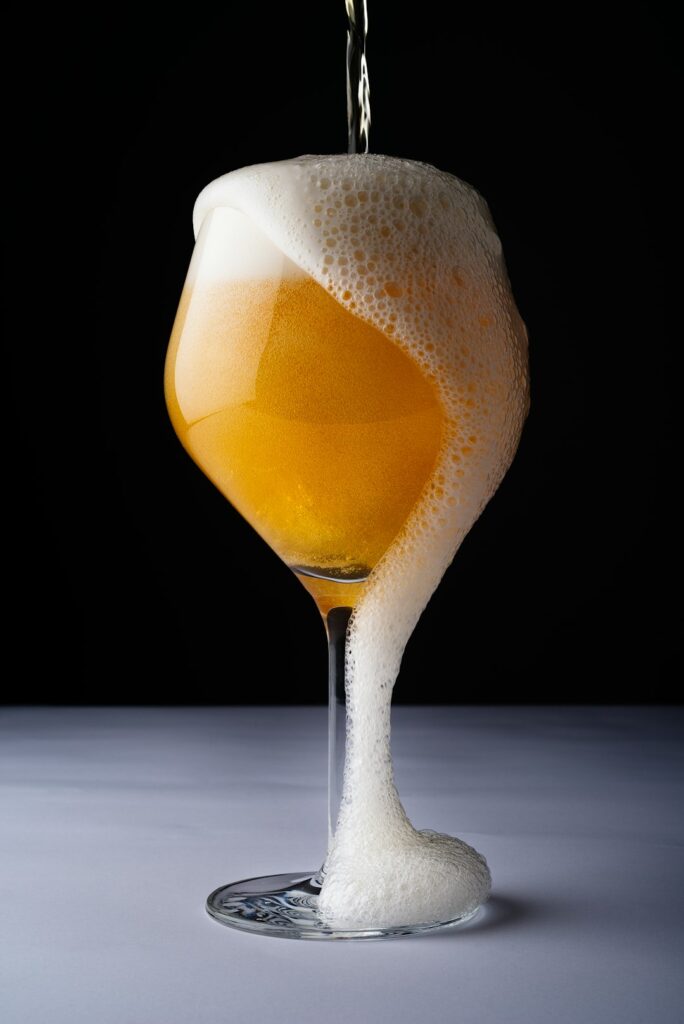
What Are Sour Beers?
Sour beers are a category of beer known for their intentionally tart and sometimes funky flavors, which contrast with the mild bitterness or maltiness found in many traditional styles. Instead of unwanted spoilage, the acidity in these beers is a deliberate part of their character and appeal. For residents in New Castle, DE who may be curious about new styles or expanding their local tasting experiences, learning what causes these unique flavors offers context before sampling something unfamiliar.
How Do Sour Beers Get Their Sourness?
Sourness in beer comes primarily from the presence of acids—mainly lactic and acetic acids—produced by specific microbes during fermentation. Brewers use wild or cultured bacteria and yeasts, such as Lactobacillus, Pediococcus, and Brettanomyces, to kickstart this process. These microbes convert sugars in the wort (the sweet liquid mashed from grains) into acids, creating the beer’s signature tang. Unlike common ales and lagers, which use a single yeast strain under sanitized conditions, sours rely on a more open and often unpredictable fermentation.
In most cases, brewers closely manage the process, striking a careful balance to achieve pleasant tartness instead of overly intense acidity. This method differs from standard brewing in that it often incorporates natural exposure to local air, wood barrels, or carefully added cultures.
What Types of Sour Beers Exist?
Sour beers are not a single style; they span several traditions and recipes. Some of the most known types include:
- Berliner Weisse – A wheat-based sour, usually light and low-alcohol with lively tartness.
- Gose – Another light sour, traditionally brewed with salt and coriander, bringing both tart and herbal notes.
- Lambic – Originating from Belgium, these beers ferment with wild yeast and bacteria and often age for years.
- Flanders Red and Oud Bruin – Also from Belgium, these darker sours feature sweet-tart fruitiness and smooth acidity from wood barrel aging.
- American Wild Ale – A broad category where U.S. brewers experiment freely, often using local wild microbes for unique regional flavors.
Each type has its own take on acidity, mouthfeel, and complexity, making them appealing for those seeking something different from standard offerings.
Are Sour Beers Brewed Differently Than Regular Beers?
Yes, the brewing process for sours stands apart from typical ale and lager methods. Instead of only using a controlled brewer’s yeast, sour beers accept and encourage other microflora in the process. Common methods include:
- Kettle Sour – The quickest and most controlled technique. Lactic acid bacteria are added to the wort before boiling; once the right tartness is reached, the mixture is boiled to stop souring and then fermented as usual.
- Mixed Fermentation – Involves combining standard brewing yeast with bacteria and wild yeast, then fermenting in tanks, barrels, or even outdoor vessels, sometimes for months or years.
- Spontaneous Fermentation – Traditional to certain European regions, this technique exposes wort to ambient air, allowing wild microbes from the environment to settle in and drive fermentation.
These approaches yield varying depths and intensities of sour flavor, meaning not all sour beers are equally tart.
What Flavors Can Local Residents Expect in Sour Beers?

A well-made sour beer balances acidity with other flavors, such as fruitiness, earthiness, or funkiness. Many sour beers feature:
- Notes of lemon, green apple, or stone fruit from lactic acid and certain yeasts.
- Earthy, musty, or barnyard-like complexity from Brettanomyces and long aging.
- Salty, herbal, or floral additions in styles like gose.
- Sometimes a wine-like quality, especially in barrel-aged varieties.
Area households interested in exploring sours can look for specific flavor profiles—some brews are crisp and refreshing for hot summers, while others are richer and suited for cool evenings.
Are There Any Misconceptions About Sour Beers?
Many new to sours assume all examples are extremely tart or even unpleasantly acidic. In reality, most quality sours offer layered, balanced flavors and range from mildly tangy to robust. Another misconception is that sour beers are simply “spoiled” by accident; in truth, they are carefully crafted through practiced techniques.
Sour beer isn’t just for adventurous palates. Some styles are easy-drinking and light, while others are rich and complex. Those wary of trying new things may find that lighter sours, such as Berliner Weisse, are a gentle introduction compared to intense aged sours.
Does New Castle’s Climate Influence Sour Beer?
While the city doesn’t have the same brewing traditions as historic European sour regions, the moderate, humid summers and cold winters of New Castle can influence homebrewing attempts. For individuals interested in brewing sours at home, consistent indoor temperatures and sanitation are key, since wild microbes are sensitive to environmental changes. Spring and summer often see more experimentation due to the relative humidity and temperature.
Is It Safe to Drink Sour Beers?
Commercially produced sour beers are safe when made by reputable brewers who monitor acidity and cleanliness throughout the process. The acidity in sour beer, combined with alcohol, generally prevents harmful bacteria from growing. For homebrewers in the community, following proper cleaning and monitoring pH is essential for safe results. If a beer smells odd or has unexpected flavors, it’s best to discard and try again with careful technique.