

 See My Latest Article on HelloNation
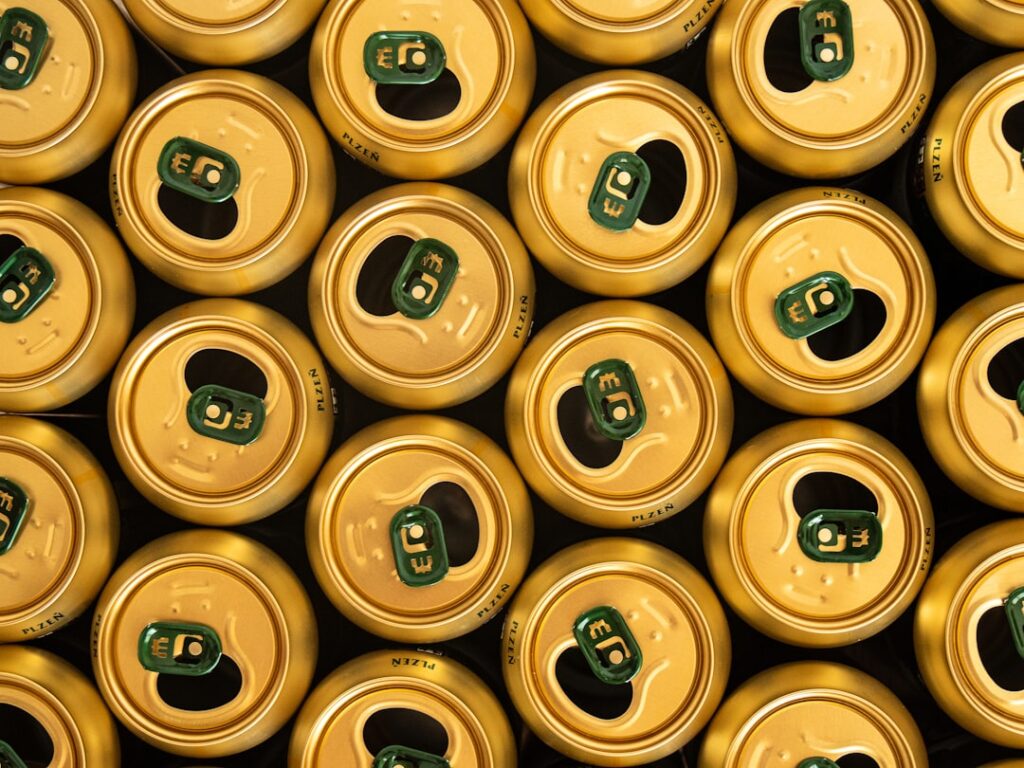
Does Packaging Really Affect the Taste and Quality of Beer?
Yes, the container can impact beer’s flavor, freshness, and shelf life. Whether beer is stored in cans or bottles, local drinkers often notice subtle differences. These differences can matter for anyone in New Castle, DE who enjoys bringing home a six-pack or serving guests at outdoor gatherings, especially during the varied Mid-Atlantic seasons.
Cans are completely opaque, blocking all light, while most bottles (green or brown) allow some light to enter. Light, especially UV rays, can react with the hops and cause “skunky” flavors—a problem that rarely occurs with cans. Locally, where many enjoy barbecues or trips along the Delaware River, choosing packaging that maintains beer stability outdoors is practical.
Are Cans More Eco-Friendly or Convenient for Local Residents?
For most local households, cans have several practical benefits:
- Lightweight and easier to carry for picnics, parties, or recycling
- Chill more quickly in backyard coolers or fridges—helpful during humid summers
- Less likely to break, reducing mess and safety concerns around patios, docks, and neighborhood events
Area recycling programs typically accept both aluminum cans and glass bottles, but cans are often recycled at a higher rate, partly because they’re easier to transport and process. In communities like New Castle, where households frequently use municipal recycling bins, cans can provide a slight ease-of-use advantage. However, glass bottles are also recyclable, and some residents prefer their feel and “traditional” look.
Does Beer Taste Different Out of a Can Versus a Bottle?
Many assume canned beer tastes “metallic,” but modern cans feature an internal liner that prevents the beer from contacting the aluminum. Blind taste tests often reveal no major flavor difference between the same beer packaged in cans versus bottles.
That said, local drinkers sometimes describe bottled beer as having a crisper or “cleaner” taste—mostly because they’re pouring it into a glass, which releases aromas. Some traditions and styles (like certain Belgian or German-inspired brews) still feel “right” out of a bottle for many enthusiasts. Meanwhile, cans preserve freshness well and prevent the oxidation that can occur if a bottle cap isn't perfectly sealed.
Is Shelf Life Shorter for Canned or Bottled Beer?
Cans offer superior protection against two main threats to beer quality: light and oxygen. They form a tight seal, and their solid walls block all light. In contrast, bottle caps can allow tiny amounts of air to seep in over time, and bottles—particularly clear or green varieties—let in light, risking flavor changes.
For residents who might store beer for weeks or months (for example, preparing for seasonal celebrations or stocking up during winter), cans usually keep beer fresher longer. Bottles are still appropriate for rapid consumption or if kept in a dark, climate-controlled place, but cans offer peace of mind for longer storage or less predictable environments.
Are There Beers Only Available in Bottles or Cans in Local Retail Outlets?

Some craft breweries initially used bottles, partly because small-scale bottling equipment was less expensive. Today, more brewers embrace cans due to their practicality and lower shipping costs. However, specialty or high-ABV beers—like vintage stouts or sours—are sometimes still sold in glass, which can feel more prestigious for certain releases.
In New Castle, selection at retailers changes with trends and distribution choices. Some limited-release or heritage brands stick to bottles, while everyday options arrive in both formats. Residents may notice canned beer varieties have increased in local stores, especially for craft styles and seasonal releases. For those looking for the broadest range, keeping an open mind about packaging can help in finding new favorites.
Is There a Local Preference for Bottles or Cans?
Habits in the community reflect broader trends: cans are gaining ground, especially among younger residents and event hosts who value convenience for group settings and outdoor gatherings. Some long-term residents maintain affection for bottles, especially for certain imports or holiday traditions.
Weather-wise, cans are easier to manage at local parks or waterfronts, where glass containers may be restricted or discouraged. For households with active children, pets, or busy yards, cans also offer a practical way to avoid shattered glass risks.
Can Beer Be Enjoyed Straight From the Can or Bottle, or Is Pouring Necessary?
Pouring beer into a glass can release more aromas, highlight color, and improve the overall experience, regardless of the original container. In casual settings or on-the-go use—like at block parties, outdoor concerts, or local festivities—many residents drink directly from the can or bottle for convenience. Especially with cans, pouring can lessen any perceived metallic taste and provide the fullest flavor.
For tasting sessions, pairing with food, or celebrating milestones, pouring beer into a glass showcases the brewer’s intent and works well for either format.
—
Cans and bottles both have strong points for area beer lovers. Advances in modern packaging mean both formats preserve beer quality well, but cans offer several practical benefits—including light protection, convenience, and easier recycling—particularly useful for local households and outdoor activities. Bottles still hold a place for certain styles, longer traditions, and those who value a classic feel. The choice depends on personal taste, how the beer is enjoyed, and a few local lifestyle considerations.