

 See My Latest Article on HelloNation
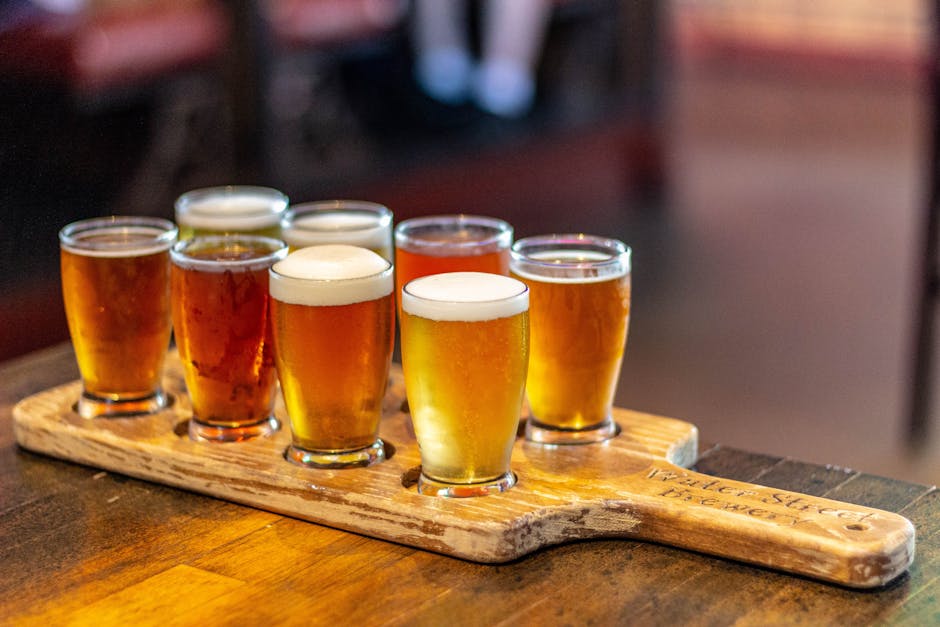
If you’ve ever stood in line at Jessop’s Tavern or eyed the tap list at a neighborhood brewery in New Castle, DE, you’ve likely had to choose between a lager and an ale. But what’s the real difference? For beer lovers in historical New Castle, where colonial charm meets modern craft brewing, understanding the distinction between these two famous beer families can deepen your appreciation of every pint—whether it’s at a summer festival on Delaware Street or during a backyard barbecue along the riverfront.
What Defines Lager and Ale? The Basics
At its core, the difference between lager and ale comes down to yeast, temperature, and time. These brewing variables date back centuries, but they’re just as relevant to New Castle’s craft beer scene today.
- Ale uses top-fermenting yeast that works best at warmer temperatures (typically 60–75°F).
- Lager uses bottom-fermenting yeast that thrives in colder temperatures (typically 45–55°F).
This simple difference leads to variations in taste, aroma, and even mouthfeel.
Brewing Methods: How Process Impacts Flavor
The way these beers are brewed makes all the difference in a place like New Castle, where diverse palettes are shaped by both tradition and innovation.
- Ale Fermentation: The warmer conditions for ales mean fermentation happens quickly. The yeast floats to the top of the fermentation vessel, producing rich fruity and spicy flavors. Popular ale styles include pale ale, IPA, porter, and stout.
- Lager Fermentation: Lager yeast ferments more slowly at lower temperatures and settles at the bottom. This process reduces fruitiness and usually creates a smooth, clean, crisp flavor profile. Familiar lagers include pilsner, helles, and bock.
Local breweries, like those in nearby Newark and Wilmington, often pride themselves on using these traditional methods—sometimes even blending modern craft with colonial roots.
Flavor Profile: What to Expect in Your Glass
Knowing whether your beer is a lager or an ale can help you pick the perfect refreshment for your next seafood boil at Battery Park or when watching a Wilmington Blue Rocks game.
- Ales tend to have bold, complex flavors. You might taste notes of fruit, spice, caramel, coffee, or chocolate depending on the style. They’re often robust and aromatic, perfect for the cooler months in Delaware.
- Lagers offer a crisper, lighter taste. Expect refreshing bread-like or floral notes, with a clean finish that pairs well with the region’s classic crab cakes or summer patio days.
Appearance, Aroma, and Body
- Appearance: Ales are more likely to be darker, but color isn’t a foolproof indicator! Some lagers, like amber lager, can be quite dark, while certain blonde ales are very pale.
- Aroma: Ales are generally more aromatic, with hints ranging from fruity to spicy or herbal. Lagers are more subtle, delivering delicate scents that rarely overpower.
- Body: Ales usually have a fuller body and more pronounced mouthfeel. Lagers tend to be lighter, smoother, and more carbonated—a favorite choice at family-friendly festivals in New Castle’s Old Town.
Local New Castle, DE Beer Culture: Lager and Ale on Tap
In New Castle, a town steeped in history and friendly local gatherings, beer choice often reflects both occasion and mood:
- Historic Taverns: Many historic taverns nod to British and European ale traditions. Try a nutty brown ale on a cool fall night—a warming companion as you stroll cobbled streets.
- Local Breweries: Modern Delaware breweries love to experiment. Many feature rotating lagers and ales, showcasing regional ingredients like local honey or Delaware-roasted coffee.
- Community Events: At outdoor concerts or block parties, light lagers are often served cold and fast to quench thirst. But don’t overlook a punchy IPA or silky porter from local taps.
Pairing Beer with New Castle’s Cuisine
If you’re dining anywhere from a seafood shack on the river to a classic colonial tavern, knowing what makes an ale or lager unique can elevate your meal.
- Lagers are especially food-friendly, pairing well with fried fish, soft pretzels with mustard, or lighter fare.
- Ales can stand up to heartier dishes—think pulled pork, spicy wings, or chocolate desserts.
Try sampling both at New Castle’s annual food and beer festivals for a real taste of the town’s craft culture!
Common Questions: Lager vs. Ale FAQ
Which is better for beginners: lager or ale?
Lagers are often seen as more approachable for new beer drinkers due to their clean, mild flavor. But ales, like wheat beers or mild amber ales, can also be great entry points.
Do lagers have less alcohol than ales?
Not necessarily. Alcohol content is set by the brewer. Most lagers and ales range from 4–7% ABV, but there are strong and light examples in both families.
Is craft beer in Delaware mostly lager or ale?
The craft revolution, including in New Castle, has emphasized ales because they ferment quickly and offer big flavors—think IPAs or stouts. However, many local brewers now celebrate lagers for their subtlety and craftsmanship.
Is there a seasonal difference?
Yes! Many prefer light lagers in New Castle’s humid summers and rich ales in chilly winters, but it’s always a matter of personal taste.
Why Knowing the Difference Matters in New Castle
Understanding lager and ale not only changes how you order at your favorite New Castle pub—it deepens your connection to the community’s rich beer heritage. When you appreciate the underlying processes and the subtle flavor differences, you’ll enjoy every glass more—whether you’re at a beer garden overlooking the Delaware River or sharing a pint at home.
So next time you raise a glass at a New Castle brewery or backyard cookout, you’ll not only know what you’re sipping but also why it tastes uniquely delicious. Cheers to good beer and good company in every season!