

 See My Latest Article on HelloNation
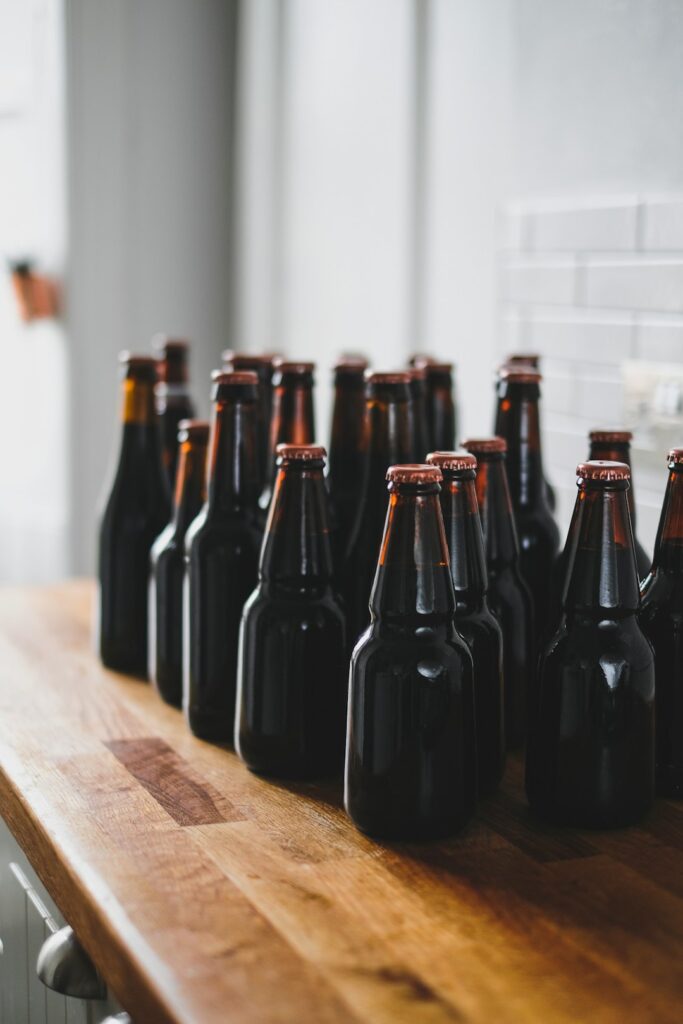
Why Does Proper Beer Storage Matter for Residents of New Castle, DE?
Proper storage keeps beer tasting the way brewers intended and preserves freshness over time. For local residents, knowing how beer reacts to temperature, light, and movement is key, especially given the seasonal changes and home setups found throughout the city. Beer that's been poorly stored can quickly lose its flavor, develop unpleasant aromas, or even spoil, turning a social drink into a disappointment.
What Is the Best Temperature for Storing Beer at Home?
Aim for a consistent, cool temperature—generally between 45°F and 55°F for most beers. In New Castle, with its humid summers and cold winters, many people rely on a basement or temperature-controlled cabinet for stability. Extreme fluctuations, such as moving beer from a hot garage to a cold refrigerator, can cause the beer to age unevenly and deteriorate.
- Lighter beers (lagers, pilsners) tend to taste best stored slightly colder, closer to 40–45°F.
- Strong ales, stouts, and barrel-aged varieties benefit from the higher end of the range, around 50–55°F.
- Avoid storing beer in direct sunlight or near heating vents, as both can cause flavor breakdown.
Does Light Exposure Really Affect Beer Quality?
Yes, light—especially sunlight or fluorescent lighting—can spoil beer quickly, a process called "skunking." Since many homes in New Castle have mixed-use spaces and windows in living areas, store beer out of direct light. Brown bottles offer more protection, but cans or closed cabinets are safest. If you keep beer in a garage, mudroom, or utility space, use opaque containers or boxes for extra assurance.
Should Beer Be Stored Upright or on Its Side?
Always store beer bottles and cans upright. This minimizes the amount of beer in contact with the cap, reducing the risk of metallic leaching from caps or oxidation through the seal. For residents stacking beer in compact kitchen spaces or refrigerators, vertical organization is best for long-term quality. Laying beer on its side, the way wine is stored, can lead to off flavors and shortened shelf life.
How Long Is Beer Safe to Drink After Storage?
Most standard beers are best enjoyed fresh, ideally within three to six months of purchase. Heavy, high-alcohol styles (such as imperials or barleywines) keep longer, sometimes for years under ideal conditions. In the city, exposure to summer heat or freezing winter temperatures in uninsulated spaces can rapidly reduce drinkability, so keep an eye on sell-by dates and rotate stock to drink older bottles first.
Common signs your beer may have gone bad include:
- Stale, cardboard-like aromas
- Loss of carbonation or a flat texture
- Unpleasant taste, such as sourness not intended by the style
Does Storing Beer in the Refrigerator Make It Last Longer?
Chilling beer in a dedicated fridge slows aging and prevents many spoilage processes. For small households in New Castle, a dedicated beer fridge or a controlled fridge shelf helps ensure beer doesn't get overly warm during summer or swing rapidly if a main fridge is frequently opened. However, repeatedly warming and cooling beer (such as moving bottles in and out of the fridge) can accelerate staling, so keep storage temperatures as steady as possible.

What Storage Challenges Are Unique to New Castle Households?
Humidity and temperature swings—especially in older homes with less insulation—are local obstacles. Bottled beer left in garages or sheds can face freezing in winter or excessive heat in summer, both harmful to flavor and shelf life. Local residents often benefit from making use of basements, which typically stay cooler than above-ground spaces. If no basement is available, aim for interior closets or cupboards away from exterior walls.
Seasonal gatherings and outdoor events are common in the community, tempting some to leave beer in ice chests or outside for extended times. For best results, return leftovers promptly to indoor storage.
Is It Safe to Store Beer Long-Term at Home?
Storing collectible or specialty beer over several months or years is possible with care. Limit exposure to light and temperature changes, and be realistic about which styles benefit from aging—strong, dark ales do, but most lagers and hop-forward beers do not. If in doubt, research specific styles or reach out to reputable brewing resources.
Be wary of home storage myths, such as believing all beer improves with time or that it can be kept in the trunk of a car. Even in winter, the interior of a car or other uninsulated space exposes beer to uncontrolled conditions.
Practical Tips for Everyday Beer Storage in Local Homes
- Store beer in a cool, dark, and dry place—preferably inside, away from windows and appliances.
- Keep bottles and cans upright and avoid moving them frequently.
- Avoid storing beer near cleaning supplies, strong-smelling foods, or chemicals, which can influence flavors.
- Rotate stock so older beer is consumed first.
- For parties or gatherings, only chill the amount you expect to serve; return leftovers to the main storage location as soon as possible.