

 See My Latest Article on HelloNation
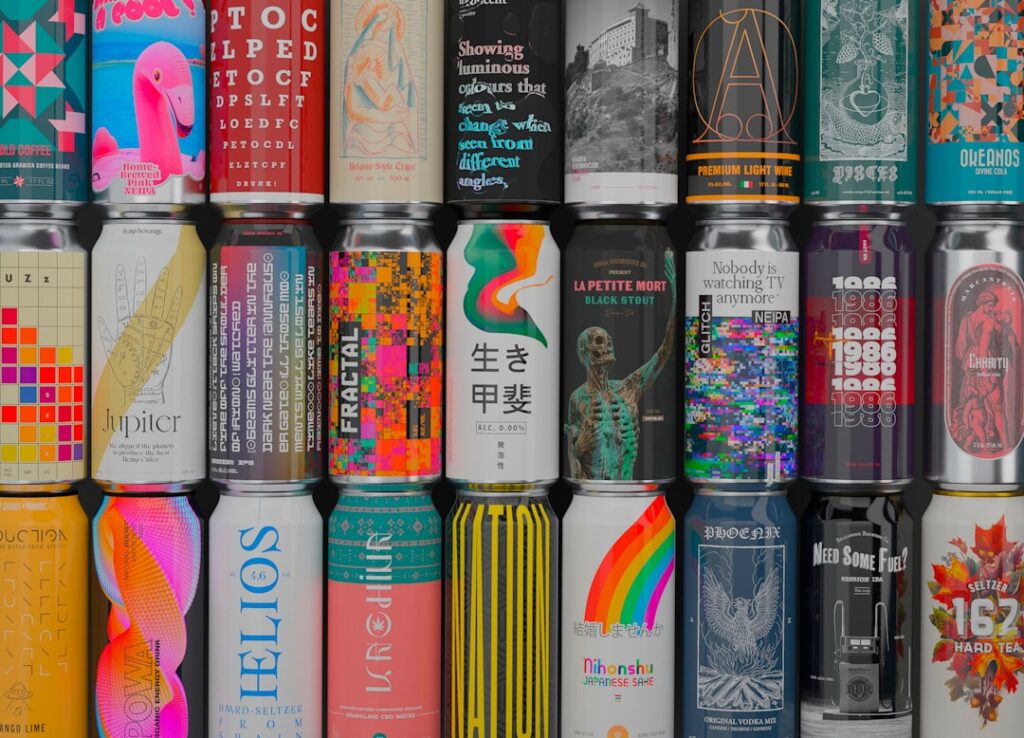
Beer labels can reveal much more than a beer’s name. By reading the style, alcohol content, date markings, ingredients, and serving information, residents in New Castle, DE can make better choices about flavor, freshness, strength, and storage.
What information appears on a beer label?
Most beer labels include several basic details:
- Brewery or producer name
- Beer name
- Beer style or description
- Alcohol by volume, usually written as ABV
- Net contents, such as ounces or milliliters
- Government warning statement
- Production, packaging, or freshness markings
- Ingredient or allergen information, when provided
The front label is designed to identify the beer, while the back, side, or neck label often contains more useful information. A can or bottle may also include printed information directly on the container rather than on a paper label.
A label is not always a complete flavor guide. Words such as “crisp,” “smooth,” “bold,” or “refreshing” are descriptive terms, not standardized style definitions. The style name, ABV, bitterness information, and date markings usually provide more practical guidance.
What does ABV mean?
ABV means alcohol by volume. It tells you what percentage of the liquid is alcohol.
For example, a beer marked 5% ABV contains approximately 5% alcohol by volume. A beer marked 8% ABV contains more alcohol in the same amount of liquid, even if it tastes sweet, fruity, or easy to drink.
ABV can help estimate how a beer may affect you, but serving size matters too. A 16-ounce can at 8% ABV contains considerably more alcohol than a 12-ounce serving at 5% ABV. This is why a strong beer may not taste harsh while still delivering more alcohol.
General style ranges vary, but these broad categories can be useful:
- Lower-strength beers may be around 3% to 4% ABV.
- Many lagers, pale ales, and wheat beers fall near 4% to 6% ABV.
- IPAs, Belgian-style ales, stouts, and other stronger beers may reach 7% ABV or higher.
- Specialty and barrel-aged beers can be substantially stronger.
ABV is not a measure of quality. It is simply a strength indicator.
How can the style name help predict flavor?
The style provides clues about ingredients, fermentation, bitterness, body, and serving expectations. It is more useful than a vague adjective such as “premium” or “craft.”
A few common examples:
- Pilsner: Usually pale, clean, crisp, and moderately bitter.
- Helles: A pale lager often focused on soft malt flavor and restrained bitterness.
- IPA: Typically hop-forward, with bitterness or aromas that may suggest citrus, pine, tropical fruit, flowers, or herbs.
- Pale ale: Often balanced between malt and hops, with less intensity than many IPAs.
- Wheat beer: Commonly light-bodied and refreshing, sometimes with notes of bread, citrus, spice, or banana depending on the style.
- Stout: Dark and often roasty, with possible flavors of coffee, cocoa, toast, or caramel.
- Porter: Dark and malty, usually with roasted or chocolate-like flavors.
- Sour beer: Tart or acidic, though the level of sourness varies considerably.
- Saison: Often dry, lively, peppery, fruity, or rustic.
Style names are helpful but not absolute. Two beers labeled with the same style can taste different because of yeast selection, water chemistry, hop varieties, malt choices, and fermentation methods.
What do IBU and bitterness information mean?
IBU stands for International Bitterness Units. It estimates the amount of bittering compounds from hops in the beer.
A higher IBU often suggests more bitterness, but IBU does not tell the whole story. Malt sweetness, alcohol, carbonation, roast flavors, and hop aroma affect how bitterness is perceived. A beer with a high IBU may taste balanced if it also contains substantial malt character. A lower-IBU beer can still seem sharp if it is dry or lightly malted.
IBU also does not measure hop aroma. A beer can smell strongly of mango, grapefruit, pine, or flowers without being extremely bitter. Some modern hop-forward beers emphasize aroma and flavor while keeping bitterness relatively moderate.

If bitterness matters, use IBU as a comparison point rather than a guarantee. The style description and tasting notes may provide better clues.
How should freshness dates be read?
Freshness markings may appear as “best by,” “enjoy by,” “born on,” “packaged on,” or a coded date. The format is not universal, so a date may require interpretation.
Many hop-forward beers are best enjoyed relatively fresh because hop aroma can fade over time. This is especially relevant for heavily hopped pale ales and IPAs. Lagers and some malt-forward beers may remain enjoyable longer, while strong, dark, or intentionally aged beers can develop different characteristics with time.
A date does not automatically mean the beer is unsafe after that day. It often indicates the producer’s preferred quality window. However, heat and sunlight can accelerate flavor changes. A beer stored for months in a hot area may taste older than the date alone suggests.
For household storage, keep beer:
- Cool and away from direct sunlight
- Upright when practical
- At a fairly stable temperature
- Away from strong odors that could affect packaging or storage areas
Warm seasonal conditions in the region make storage especially relevant in garages, sheds, vehicles, and unconditioned spaces. Repeated heating and cooling can reduce freshness even when a container remains sealed.
What do “ale” and “lager” tell you?
Ale and lager refer mainly to yeast and fermentation methods, not color or alcohol strength.
Ales are generally fermented with yeast that works at warmer temperatures and may produce fruity, spicy, or expressive flavors. Lagers are generally fermented with yeast associated with cooler fermentation and often produce cleaner, more restrained profiles.
Neither category is automatically stronger, darker, sweeter, or better. A lager can be dark and full-bodied, while an ale can be pale and light. These terms provide broad fermentation information but should be read alongside the style name and ABV.
What do ingredients and allergen statements reveal?
Beer commonly contains water, malted grains, hops, and yeast. The grain may include barley, wheat, rye, oats, or other cereals. Some beers also contain fruit, spices, coffee, chocolate, honey, lactose, or other flavoring ingredients.
A label may identify major ingredients, but beer labels do not always provide a complete recipe. People managing celiac disease, wheat allergy, gluten sensitivity, or dairy intolerance should not assume that a style name alone indicates safety. “Gluten-reduced,” “gluten-free,” and similar terms have specific implications that should be evaluated carefully, particularly when health concerns are involved.
Terms such as “unfiltered” or “bottle-conditioned” may also appear. Unfiltered beer may retain more yeast or natural haze. Bottle-conditioned beer has undergone additional fermentation in the container, which can create sediment and additional carbonation. These characteristics are not necessarily defects.
Does the container affect the beer?
Packaging can influence freshness and flavor. Cans block light completely, while clear or green glass may allow light exposure if the beer is not stored carefully. Ultraviolet light can create an unpleasant “skunky” aroma in some hop-containing beers.
A swollen can, leaking bottle, damaged seal, or unusual pressure deserves caution. When opening a container, excessive foaming, an abnormal odor, or an unexpectedly sour or spoiled flavor may indicate a packaging or storage problem. Do not consume beer that appears contaminated or unsafe.
How can a label guide responsible serving?
Start with ABV, container size, and the number of servings. A large can is not necessarily one standard serving, and a strong beer can contain significantly more alcohol than its flavor suggests.
For gatherings at home, labels make it easier to compare strength and offer varied options without relying on appearance alone. Reading the label also helps people account for food, hydration, transportation, medications, and personal tolerance.
A useful label-reading habit is to check four items first: style, ABV, freshness marking, and container size. Those details provide a practical snapshot of what the beer is likely to taste like, how strong it is, and whether it has been stored within a reasonable quality window.