

 See My Latest Article on HelloNation
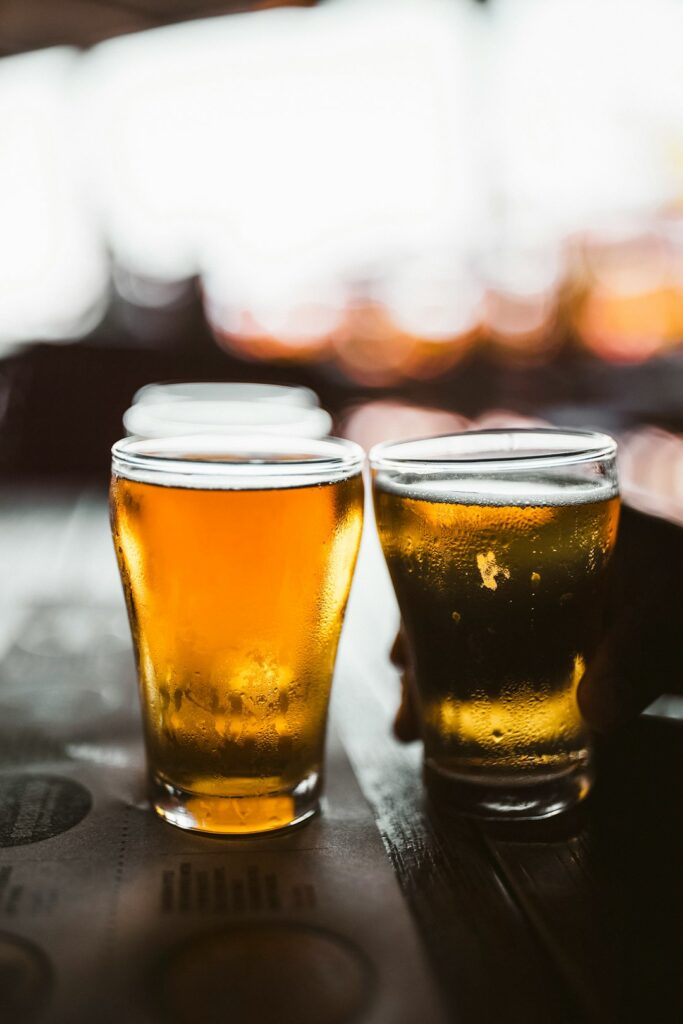
What is the basic difference between a pilsner and an IPA?
A pilsner is a pale lager known for clean, crisp flavor and noticeable but restrained bitterness. An IPA, or India pale ale, is usually an ale with more pronounced hop aroma and bitterness, often accompanied by citrus, tropical fruit, pine, herbs, or resin-like flavors.
The difference is not simply “light beer versus dark beer.” Both styles can be pale in color, refreshing, and highly varied. The main distinctions involve:
- Yeast and fermentation
- Hop selection and intensity
- Bitterness and aroma
- Alcohol content
- Serving temperature and drinking pace
For local residents choosing a beer for a warm afternoon, a meal, or a gathering at home, the better choice depends on how much hop flavor and bitterness is preferred.
How does a pilsner taste?
A pilsner typically tastes crisp, dry, lightly grainy, and refreshing. It may have flavors resembling crackers, fresh bread, grass, flowers, or mild spice. Bitterness is present, but it usually supports the clean finish rather than dominating the drink.
Traditional pilsners are lagers, meaning they are fermented with yeast that works at cooler temperatures and then conditioned for a longer period. This process contributes to a smooth profile with relatively few fruity or spicy fermentation flavors.
A well-made pilsner often has:
- Pale gold color
- A firm, white head
- Moderate carbonation
- Light to medium body
- Clean, dry finish
- Low to moderate hop aroma
- Noticeable but balanced bitterness
The style can work well with foods that benefit from a refreshing companion, including grilled chicken, seafood, sandwiches, salads, salty snacks, and mildly spicy dishes.
What makes an IPA different?
An IPA is built around hop expression. Hops are flowers added during brewing that provide bitterness, aroma, and flavor. Depending on the variety and brewing method, hops can suggest grapefruit, lemon, orange peel, mango, passion fruit, pine, black tea, herbs, or fresh grass.
IPAs are generally ales, fermented at warmer temperatures than lagers. The yeast can create more noticeable fruit-like or spicy notes, although the hops remain the main feature in most examples.
An IPA may have:
- Pale gold to amber color
- Medium to full body
- Strong hop aroma
- Moderate to high bitterness
- Flavors ranging from citrus to tropical fruit or pine
- Alcohol content that is often higher than a standard pilsner
Not every IPA is aggressively bitter. Modern versions may emphasize juicy hop aroma while keeping bitterness relatively soft. This is why two beers labeled IPA can taste very different.
Which beer is more bitter?
An IPA is usually more bitter than a pilsner, but bitterness varies within both categories. A pilsner can have a firm, noticeable bitterness, particularly when brewed in a traditional European style. Some modern IPAs, meanwhile, are designed to taste aromatic and juicy rather than sharply bitter.
Bitterness is often measured in International Bitterness Units, or IBUs. The number can be useful, but it does not tell the entire story. Perceived bitterness is affected by:
- Malt sweetness
- Alcohol level
- Water chemistry
- Carbonation
- Hop timing during brewing
- The drinker’s own sensitivity to bitterness

A beer with a high bitterness measurement may taste balanced if it also contains enough malt sweetness. An aromatic IPA with a lower measured bitterness can still seem intense because of its powerful hop character.
Are pilsners and IPAs different colors?
Usually, but not always. Pilsners are commonly pale yellow to golden. IPAs range from pale straw to copper, depending on the malt used and the specific variation of the style.
Color does not reliably predict bitterness or strength. A pale IPA may be more bitter than an amber IPA, while a golden pilsner may taste more bitter than expected because of its dry finish.
Darkness is also not a direct measure of alcohol content. Some strong beers are pale, and some darker beers are relatively moderate in strength.
Which has more alcohol?
Many standard pilsners fall in the moderate alcohol range, while IPAs often have more alcohol. However, neither style has one fixed strength.
A pilsner may be brewed as a lighter, easy-drinking beer or as a stronger premium lager. IPAs can range from session-strength versions to double or imperial examples with substantially higher alcohol.
Higher alcohol can add warmth and body, but it can also make a beer seem sweeter or heavier. Checking the label or tap list is more reliable than judging by color or style name alone.
Why does one feel cleaner and the other more expressive?
The difference is partly related to fermentation. Lager yeast and cooler fermentation generally produce a cleaner flavor profile, allowing malt, hops, water, and carbonation to show clearly. This helps explain the crisp character associated with pilsners.
Ale fermentation can produce more fermentation-derived fruit or spice notes. In an IPA, those flavors combine with high levels of hop aroma, creating a more layered and expressive profile.
This does not mean pilsners are simple or IPAs are automatically better suited to experienced drinkers. Pilsners can reveal subtle differences in grain, water, bitterness, and fermentation. Their relatively uncluttered profile makes flaws easier to notice.
Which style is better for warm weather in New Castle, DE?
Either can work, but a pilsner is often the easier choice for extended outdoor drinking or humid summer conditions because its lighter body, crisp finish, and moderate alcohol tend to feel refreshing.
An IPA may be more satisfying when the goal is to focus on flavor rather than drinkability. Strong hop aroma can pair well with grilled foods, spicy dishes, burgers, and bold sauces. During cooler months, a fuller IPA may feel more substantial, while a pilsner can remain useful as a clean counterpoint to heavier meals.
Home storage also matters. Beer exposed to heat or repeated temperature changes can lose freshness, especially hop-forward beer. Keeping either style cold and away from direct light helps preserve its intended flavor.
Which should someone choose if they dislike bitter beer?
A pilsner is usually the safer starting point, especially one described as crisp, smooth, or balanced. It still contains hops, but the bitterness is generally less forceful than in an IPA.
For someone interested in trying an IPA, a hazy or session IPA may be approachable, although these terms do not guarantee low bitterness. Reading the description for words such as “juicy,” “soft,” or “tropical” can provide clues, but tasting remains the most dependable guide.
People who dislike bitterness may also prefer beers with more malt sweetness, lower alcohol, or a softer finish.
Can a pilsner be more flavorful than an IPA?
Yes. Flavor intensity and flavor complexity are not the same thing. An IPA usually delivers a stronger first impression because its hop aroma is prominent. A pilsner may offer a more restrained combination of fresh grain, floral hops, mineral character, crisp bitterness, and dry finish.
Pilsners can be particularly revealing when served at a cool but not extremely cold temperature. Excessive cold can mute aroma and make subtle flavors harder to detect. IPAs also benefit from a slight temperature rise as they are consumed, allowing hop aromas to become more apparent.
The simplest way to remember the difference
Choose a pilsner for a clean, crisp, dry beer with balanced bitterness and moderate flavor intensity. Choose an IPA for stronger hop aroma, more pronounced bitterness or fruit-like hop character, and often a fuller or stronger profile.
Neither style is universally superior. The practical choice depends on the meal, weather, alcohol preference, and whether the goal is refreshment or concentrated hop flavor.