

 See My Latest Article on HelloNation
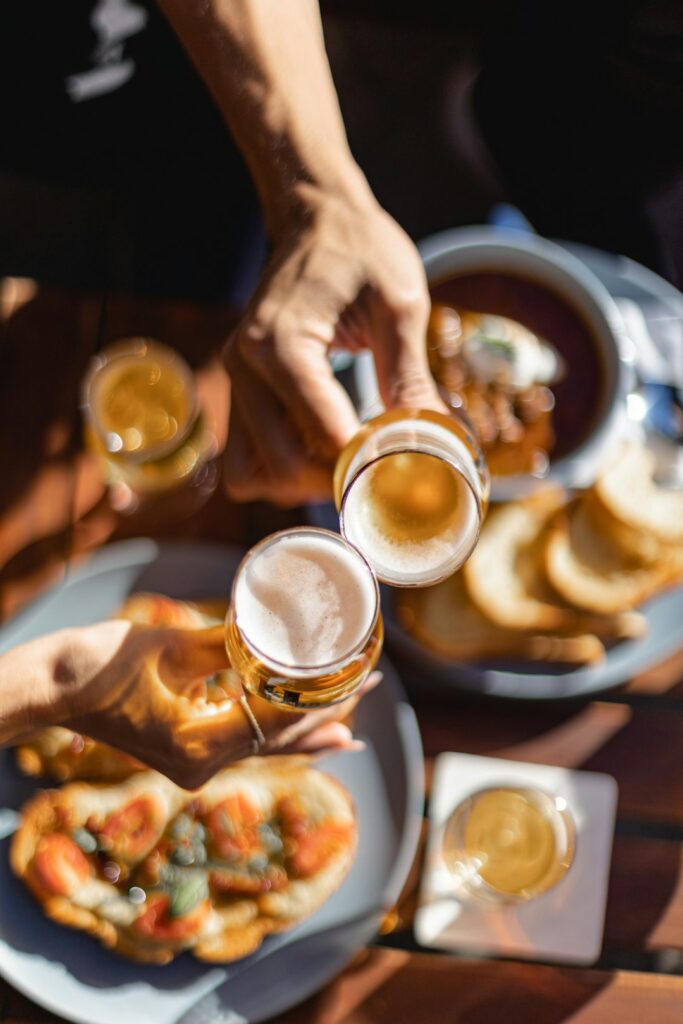
Seasonal beer is brewed to suit a particular time of year. Brewers often change the ingredients, strength, color, aroma, and serving style to match seasonal weather, available ingredients, holidays, or traditional brewing customs.
For residents of New Castle, DE, seasonal beers can offer a useful way to explore beer beyond familiar year-round styles. They also provide a simple framework for understanding how temperature, food, and occasion influence what tastes satisfying in the glass.
What makes a beer seasonal?
A seasonal beer is associated with a specific part of the year, but there is no single legal definition that determines whether a beer qualifies. Some seasonal beers are released only for a few months. Others return every year but may vary slightly depending on ingredients and brewing decisions.
Seasonality can reflect several factors:
- Weather: Lighter, crisp beers often suit warm conditions, while fuller and stronger beers may feel more appropriate in colder weather.
- Ingredients: Certain fruits, spices, grains, and fresh hops may be available or especially appealing during a particular season.
- Tradition: Some beer styles are linked to harvests, winter celebrations, spring festivals, or regional brewing customs.
- Brewing schedules: A beer may be seasonal simply because it is produced in limited batches or released at a particular time.
- Food pairing: Seasonal recipes are often designed to complement common foods served during that part of the year.
The label “seasonal” does not automatically mean a beer is better, fresher, or more complex than a year-round beer. It mainly signals that the beer has been connected to a specific time, setting, or tradition.
Which beer styles are associated with the seasons?
There are no strict rules, but certain characteristics tend to appear repeatedly throughout the year.
Spring
Spring beers are often lighter in body and moderate in alcohol. They may emphasize floral, herbal, citrus, or gently spicy notes. Pale ales, wheat beers, farmhouse-inspired ales, and lighter lagers can work well as temperatures begin to rise.
A spring beer does not have to be pale or low in alcohol. The more useful distinction is balance: many spring releases aim to feel refreshing without being too thin or overly sweet.
Summer
Summer beers commonly emphasize drinkability, carbonation, and clean finishes. Wheat beers, light lagers, tart ales, and fruit-accented beers are frequent examples.
Warm weather can make high alcohol and heavy sweetness feel more noticeable. Crisp bitterness, bright acidity, and moderate strength may provide a more refreshing experience. Because alcohol can contribute to dehydration, strong summer beers deserve slower pacing, especially during outdoor activities or hot conditions.
Autumn
Autumn beers often feature toasted malt, caramel, bread crust, roasted grain, or warming spice. Amber ales, brown ales, harvest-style beers, and pumpkin or spice-accented recipes are common examples.
The word “pumpkin” does not necessarily mean a beer will taste strongly like pumpkin. In many recipes, the dominant flavors come from spices such as cinnamon, nutmeg, ginger, or clove. Some versions are dry and restrained, while others are sweet and dessert-like.
Winter
Winter beers are frequently fuller-bodied and higher in alcohol, with flavors such as dark fruit, chocolate, coffee, molasses, toast, or baking spice. Strong ales, porters, stouts, and spiced beers often appear during colder months.
These beers are usually best approached slowly. A higher alcohol percentage can make a beer feel warmer, but it does not make it safer to consume quickly. Serving temperature also matters; extremely cold temperatures can hide aroma and flavor in a dark or strong beer.
Why do seasonal beers taste different?
Seasonal beers taste different because brewers adjust the recipe and brewing process to create a particular sensory experience. Changes may involve the type of malt, hop varieties, yeast, fermentation temperature, spices, fruit, alcohol level, or carbonation.
For example, a beer designed for warm weather may use a lighter malt profile and a crisp finish. A winter beer may use more deeply kilned malt to create flavors resembling toast, cocoa, or dried fruit.
Freshness also affects the experience. Hop-forward seasonal beers may lose some of their aroma over time, while certain strong, dark beers can develop smoother or more integrated flavors after aging. Storage conditions matter for both. Heat, light, and repeated temperature changes can damage beer quality.
A seasonal release is therefore not just a decoration on the label. It often reflects deliberate choices about flavor, texture, and timing.
Are seasonal beers always sweet or heavily spiced?
No. This is a common misconception.
Some autumn and winter beers are sweet or spiced, but many are dry, bitter, roasty, tart, or malt-forward. Likewise, a summer beer may be crisp without tasting bland, and a spring beer may have noticeable bitterness or earthy yeast character.
Reading the style description can help, but tasting remains the most reliable guide. Terms such as “dry,” “crisp,” “roasty,” “tart,” “spiced,” “strong,” or “hoppy” usually provide more useful information than the season printed on the package.
People who dislike heavily spiced beers may still enjoy seasonal releases based on bread-like malt, citrus, herbs, or roasted grain.
How should seasonal beer be served?

Serving temperature, glassware, and storage can change the way a beer tastes.
Lighter beers are often most refreshing when served cool, while strong or dark beers may reveal more aroma when allowed to warm slightly. Serving every beer extremely cold can reduce the perception of flavor and aroma.
A clean glass is generally preferable to drinking directly from a container because it allows the beer’s aroma to collect above the surface. Pouring too aggressively can create excessive foam, but a moderate head may help release aroma and show the beer’s carbonation.
Seasonal beers should be stored away from direct light and excessive heat. Refrigeration is useful for maintaining freshness, particularly for beers with delicate hop aromas. Once opened, beer is best consumed promptly because carbonation and aroma decline after exposure to air.
What foods pair well with seasonal beers?
Pairing works best when the beer either complements a dish or creates a useful contrast.
- Crisp wheat beers and light lagers can balance salty foods, grilled vegetables, seafood, and lighter poultry dishes.
- Amber and brown ales often match roasted meats, baked vegetables, sandwiches, and foods with caramelized edges.
- Tart or fruit-accented beers can cut through rich cheeses, creamy dishes, and fatty foods.
- Porters and stouts may pair with roasted meats, chocolate desserts, coffee flavors, or smoked ingredients.
- Spiced seasonal beers can work with roasted squash, baked goods, aged cheese, and dishes containing warm spices.
A pairing does not need to be exact. The goal is to notice whether the beer refreshes the palate, brings out a flavor in the food, or provides a pleasing contrast.
How can residents explore seasonal beers responsibly?
Trying seasonal beer does not require buying a large amount or choosing the strongest option. A small pour or single serving can provide enough opportunity to evaluate aroma, flavor, bitterness, sweetness, body, and finish.
A practical tasting approach is to ask:
1. Does the aroma suggest malt, hops, fruit, spice, roast, or yeast?
2. Is the first impression dry, sweet, bitter, tart, or balanced?
3. Does the body feel light, medium, or full?
4. Does the alcohol remain hidden, or does it become noticeable?
5. Would the beer suit the current weather, meal, or occasion?
In New Castle’s changing seasonal conditions, preferences may shift throughout the year. A crisp beer can feel appealing during humid weather, while a malt-forward or darker beer may be more satisfying on a cool evening. Indoor gatherings, outdoor meals, and holiday foods can also influence what works best.
Alcohol content should always be considered. Strong seasonal beers can taste smooth or sweet while still containing substantially more alcohol than a typical light beer. Eating beforehand, pacing servings, drinking water, and arranging a safe way home are sensible parts of responsible tasting.
Do seasonal beers have to be limited releases?
No. Some are available for only a few weeks, while others return every year during the same season. A beer can also be considered seasonal because of its ingredients or tradition even if it is widely available.
Availability may vary because of weather, production schedules, ingredient supply, storage conditions, and local demand. A release being difficult to find does not necessarily indicate higher quality. Likewise, a widely available seasonal beer may still be thoughtfully made and enjoyable.
The most useful reason to try seasonal beer is the opportunity to compare how brewers use ingredients and technique to express a time of year. Sampling different styles gradually can make beer tasting more informative, more social, and more connected to the food and weather around it.