

 See My Latest Article on HelloNation
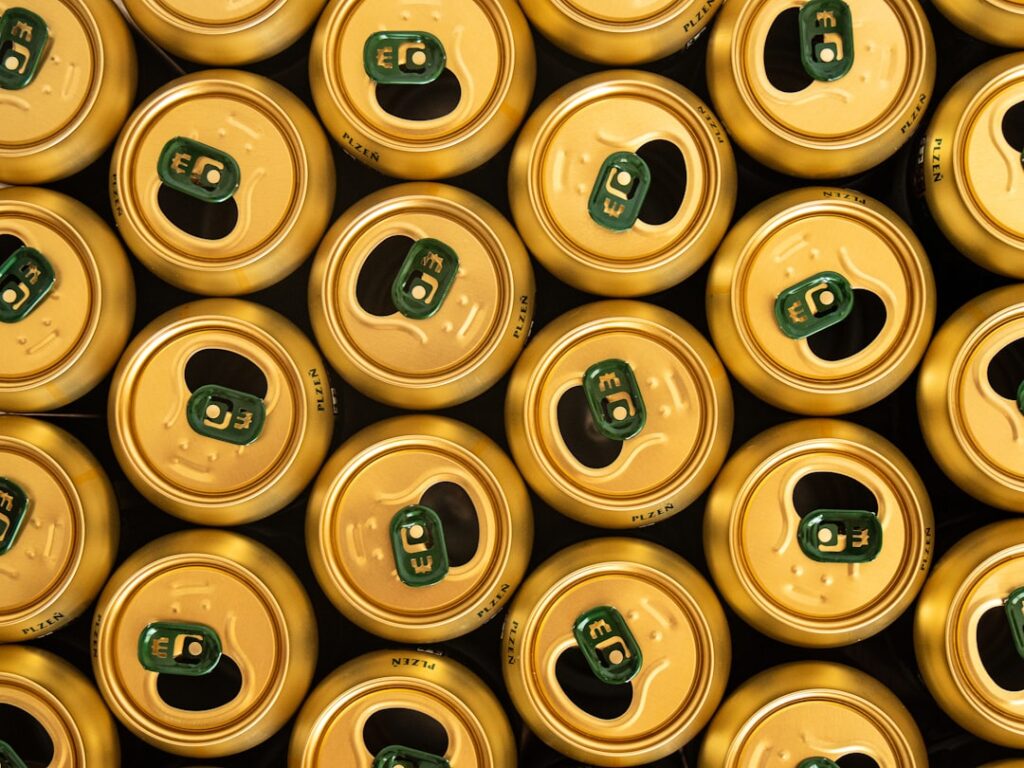
Does Beer Expire? A Straightforward Answer
Beer does have a shelf life, and it can lose quality or spoil over time. Most unopened beer will last from several months to over a year, but its best taste and freshness are typically shorter. Residents in New Castle, DE storing beer for gatherings or casual enjoyment should be aware that lighter beers and craft options may change in flavor faster than robust, higher-alcohol styles.
What Determines How Long Beer Stays Fresh?
The lifespan of beer depends on several factors:
- Alcohol Content: Higher-alcohol beers tend to last longer than lighter ones.
- Packaging: Cans and dark-glass bottles provide better protection against light and oxygen than clear glass.
- Storage Conditions: Consistent cool temperatures and darkness help maintain quality, especially in basements or interior closets, which are common in the city's homes.
- Pasteurization: Many mass-produced beers are pasteurized and stay fresh longer, while unpasteurized and local craft beers are more sensitive to age and temperature.
How Should Beer Be Stored at Home?
Beer should be stored upright, away from light, and at a steady, cool temperature. For most New Castle households, this means keeping beer in a basement, a cool pantry, or the back of a fridge. Avoiding frequent temperature swings—like moving it from a warm garage to a cold refrigerator—will help preserve both taste and carbonation.
How Long Does Beer Last Once Opened?
Once opened, beer begins to lose quality quickly, often within a day. The carbonation escapes and flavors can fade or become unpleasant. For best enjoyment, finish opened beer the same day, especially during summer gatherings, cookouts, or holiday events that are popular in the area.
Can Beer Go Bad Before the Date on the Bottle?
Beer doesn’t “go bad” in a way that’s dangerous, but it can become stale or sour well before the expiration date, especially if exposed to heat or sunlight. Even with “best by” or “born on” dates, New Castle residents might notice a change in taste if beer is left in a warm car or near a window, particularly during late spring or summer.
Are There Signs Beer Has Gone Bad?
Local drinkers should look for these indicators:
- Unpleasant Sour or Musty Smell: Indicates spoilage or wild yeast.
- Cloudiness (in filtered beers): Many beers are naturally cloudy, but unexpected haze may signal a problem.
- Flat Taste or Lack of Carbonation: Beer should have some liveliness unless it’s a specialty style.
- Off-Taste: Cardboard, sulfur, or skunky flavors mean the beer’s past its prime.
If unsure, it’s usually safe to taste a small sip but discard any beer that tastes badly off.
Do All Beer Styles Last the Same Amount of Time?
No, different beer types age differently:

- Lighter Styles (Pilsner, Lager, Wheat Beer): Best within three to six months for peak flavor.
- Medium Styles (Pale Ales, IPAs, Amber Ales): Should ideally be enjoyed within four to eight months.
- Strong Styles (Imperial Stout, Barleywine, Belgian Ales): Can last one year or more, some actually develop new flavors over time.
Area households that favor local craft options (often unpasteurized and hop-heavy) should drink them sooner rather than later.
How Do Outdoor and Seasonal Factors in New Castle Affect Beer Storage?
New Castle experiences a range of temperatures from humid summers to chilly winters. For those storing beer in garages, sheds, or outdoor spaces, rapid temperature swings can cause early staling and potential spoilage. Freezing can cause bottles or cans to burst, so during winter it’s safer to keep beer indoors.
Additionally, the city’s spring and summer storms can lead to short-term power outages. If beer warms and then is re-chilled, it’s still safe to drink but may taste flatter or duller.
What Do Date Codes Mean on Beer Packaging?
Most beer bottles and cans have markings indicating production dates, “best by,” or “enjoy by” dates. In most cases:
- “Best by” means the brewer believes the beer will taste freshest until that date.
- “Bottled on” or “canned on” gives the exact packaging date; beers are typically freshest within 3–6 months for lighter styles.
Residents can use these codes as a loose guideline, while always checking for off smells or flavors if unsure about an old bottle left in the pantry.
Are There Safe Ways to Use Old Beer?
If beer is old but not spoiled, it may lack ideal flavor but can still be used for cooking, batter, or marinades. Some local residents use stale beer in bread recipes or for tenderizing meats, minimizing waste while adding depth to home-cooked meals.